Beach Fishing for Mulloway: Nights, Tides and Bait Choice
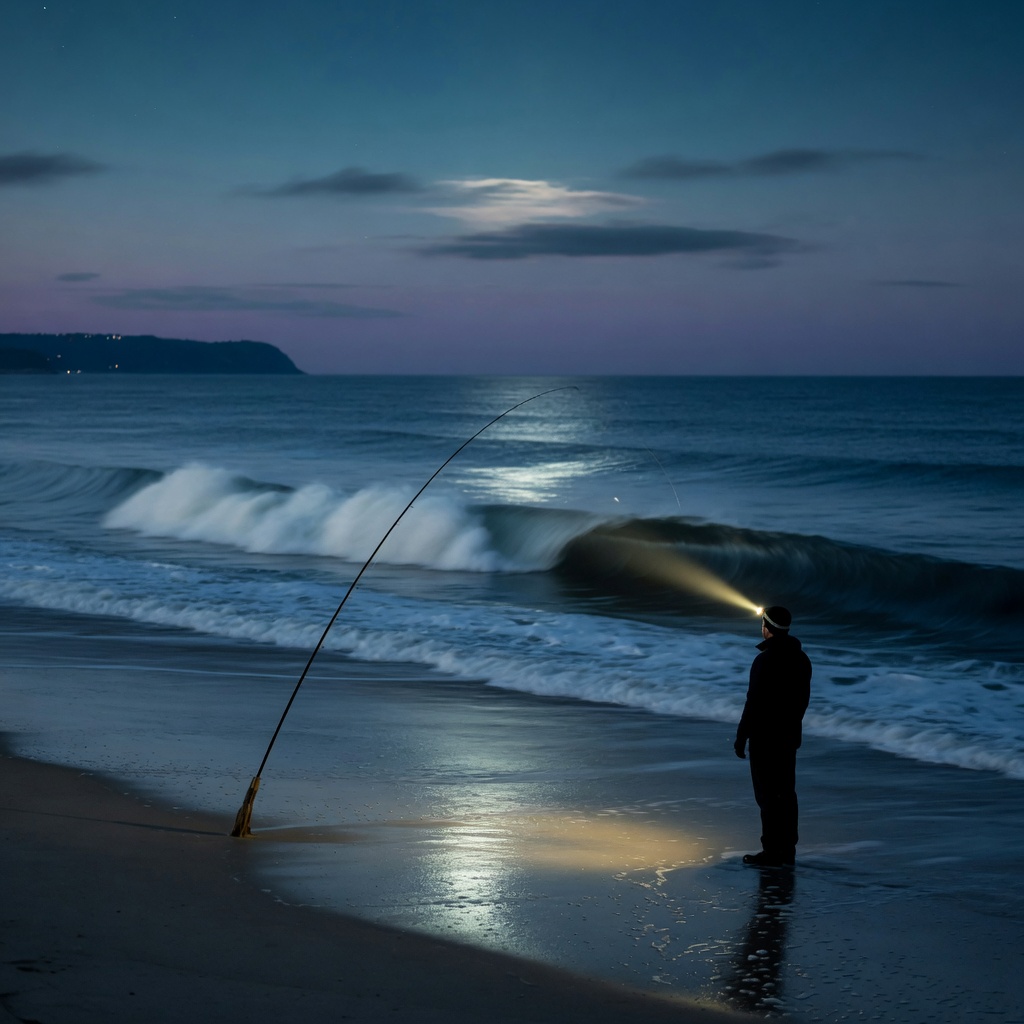
Why Mulloway Are a Night Fish on the Beach
Mulloway (also called jewfish, and known as soapies when small) are ambush feeders that use low light and turbid water to their advantage. On open surf beaches around Sydney they push into gutters and holes after dark to hunt mullet, whiting, tailor and beach worms churned loose by the swell. During bright, flat daylight conditions they tend to hold deeper or sit tight against structure, which is why most consistent beach captures come between dusk and about two hours after midnight, or in the grey light before sunrise.
Discoloured water is your friend. A tea-coloured surf carrying sand and weed gives mulloway cover to move into knee-deep water. Perfectly clear, blue-green water after a long spell of calm usually means a longer wait and a better result from casting further out along the edge of a deeper gutter.
Reading a Beach: Gutters, Holes and Rips
Walk the beach at low tide in daylight before you fish it at night. You are looking for three features:
- Gutters running parallel to the beach, showing as darker water with a smoother surface between two lines of breaking waves.
- Rips where water escapes seaward, often marked by foam lines, floating weed and a gap in the breakers.
- Corners at the ends of a beach where sand meets rock, which concentrate bait and hold fish through more of the tide.
Drop a stick or a rock pile as a marker so you can find the same spot in the dark. A headlamp used sparingly on a red setting helps you rig up without lighting the shallows and spooking fish holding close.
Tide, Moon and Weather Windows
The most reliable beach window is the last two hours of the rising tide, the top of the tide and the first hour of the fall, especially if that period lines up with dark. Bigger tides around the new and full moon move more water and more bait, though a full moon on a clear night can push fish further out. Many anglers rate the few nights either side of the new moon as the pick for close-in fish.
Swell matters more than wind. A 1 to 2 m swell with some period gives enough turbulence to stir food without making the beach unfishable or dangerous. Very large swells fill gutters with foam and weed and make bait presentation almost impossible. Check a marine forecast before you commit to a long walk, and reassess on arrival rather than relying on the forecast alone.
Bait Choice That Earns Bites
Mulloway respond to big, fresh, natural baits. Priorities in rough order:
- Live or fresh-dead mullet — a whole fish of 15 to 25 cm on a snelled two-hook rig is the classic big-fish bait.
- Squid and cuttlefish — tough, stays on the hook through a heavy shore break, and works well as a half-head or long strip.
- Beach worms — excellent for smaller school jewfish and a good option when the water is clean.
- Tailor or salmon fillet — oily, effective, and often available from the same beach.
- Pilchards and garfish — soft, so use ganged hooks and rebait after each wave set.
Freshness beats size. A limp, freezer-burnt bait fished all night will rarely outfish a smaller bait swapped over every 20 to 30 minutes. Where legal and practical, catch bait on the beach with a small bait rig before starting your session.
Rigs, Tackle and Presentation
A 12 to 14 foot surf rod rated around 8 to 15 kg, matched with a 6000 to 8000 size spinning reel or a suitable overhead, covers most beach work. Load 15 to 20 kg braid or 10 to 15 kg mono with a shock leader for casting heavy sinkers.
- Running sinker rig: star or snapper lead running on the main line to a swivel, then 60 to 100 cm of 25 to 40 kg leader and snelled 6/0 to 8/0 hooks.
- Paternoster rig: useful in heavy weed or when you want the bait held just off the bottom.
- Circle hooks: reduce deep hooking and improve survival on released fish, particularly undersized soapies.
Cast into the gutter, not over it. Keep the rod tip high in a sand spike, wind up slack after each wave set, and let a running fish take line before leaning into it. Mulloway have soft mouths, so steady pressure and a slow, wave-timed beach landing beat brute force.
Handling, Release and Rules
Support large fish horizontally, keep them wet, and use the wash to guide them back out rather than dragging them up dry sand. Fish taken from deeper offshore water can suffer barotrauma, but beach-caught mulloway usually swim off strongly if handled quickly. Size limits, bag limits and closures for mulloway differ between states and change over time — always confirm the current rules with the relevant state or territory fisheries authority before you keep a fish.
Safety on Dark Beaches
Fish with a mate, tell someone your plan and expected return, and wear a light PFD if you are working close to rocky corners or wading gutters. Watch for the sets that arrive every few minutes and never turn your back on the water. Rock ledges adjacent to beaches account for many serious incidents in New South Wales, so treat any wet platform as off limits at night. For more land-based tactics and location notes, see our beach, rock and land-based fishing section.
Questions about a specific stretch of coast? Contact Australian Fish Species on +61295585271 or [email protected] during Mon–Fri: 09:00 – 17:00 (AEST).

Navigation
See also
FAQ