Pink Snapper Profile: Growth, Age and Range Around Australia
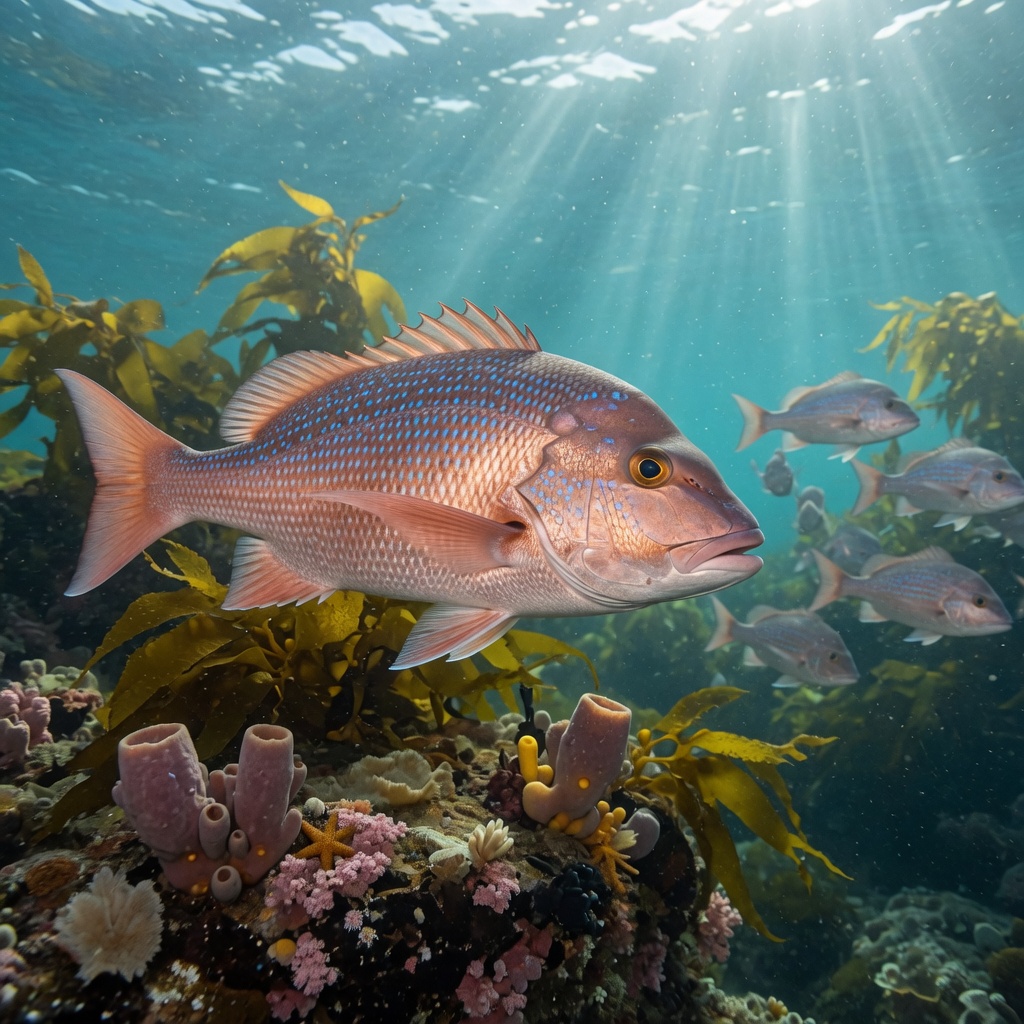
Meet the pink snapper
Pink snapper (Chrysophrys auratus) is one of the most widely recognised inshore and offshore species in southern Australia. Depending on where you fish, you will hear it called snapper, pinkie, squire, reddie or, once it grows a heavy forehead, an old man snapper or bump-head. It is not a true tropical snapper at all: it belongs to the sea bream family, which explains why the same soft-bait and paternoster tactics that work on bream often scale up neatly for snapper.
For anglers based in Sydney, snapper are a year-round proposition on the offshore reefs and a genuine inshore prize when schools push into the harbour approaches and along the beaches during the cooler months. Understanding how the species grows, how long it lives and where it moves is the fastest way to lift your catch rate and to release the right fish for the future.
Identification at a glance
- Colour: rosy pink to coppery bronze along the back, fading to silver-white below, with scattered iridescent blue spots along the upper flanks that are brightest in younger fish.
- Body shape: deep and compressed, with a steep forehead profile that becomes exaggerated in large adults.
- Head features: big eye, blunt snout, and a powerful jaw with strong incisor-like front teeth backed by crushing molars for shellfish and crabs.
- Fins: single continuous dorsal fin with stiff spines forward and soft rays behind; forked tail with a slightly darker margin.
- Common confusion: small snapper (squire or pinkies) can be mistaken for large yellowfin bream in estuaries. Look for the blue spotting, the steeper head and the absence of the bream's yellowish fin edges.
Growth and age: what the numbers mean on the water
Pink snapper are long-lived and slow to mature, which is exactly why size limits and bag limits exist for them in every southern state. Growth is quickest in the first few years, then slows markedly as energy shifts into reproduction and body depth rather than length.
- Juveniles (pinkies/squire): fast early growth in sheltered bays and estuaries, feeding on worms, small crustaceans and juvenile shellfish.
- Sub-adults: begin moving to deeper reef, gravel and rubble ground, schooling heavily and covering distance in search of food.
- Adults: growth in length slows while depth, head profile and weight continue to build; big fish are typically many years older than anglers assume.
- Longevity: snapper are documented as living for decades, so a single trophy fish may have survived dozens of spawning seasons.
The practical takeaway is simple: a legal-sized snapper is often a young fish that has spawned only a handful of times, while the big models are irreplaceable breeding stock. Keeping a feed of mid-sized fish and releasing the biggest carefully is the most sustainable pattern, provided you manage barotrauma properly with a release weight or venting tool when fish come from deeper water.
Range and regional differences
Pink snapper occur right across southern Australia, from central Queensland down the NSW coast, through Victoria and Tasmania, across South Australia and up the West Australian coast into the Gascoyne and Pilbara. They also occur in New Zealand, where the same species supports major fisheries.
- NSW: reef, gravel and broken bottom from close inshore to the continental shelf edge; smaller squire in harbours and coastal bays.
- Victoria: famous spring and summer runs into Port Phillip and Western Port as water temperatures climb.
- South Australia: gulf systems hold large fish over rubble, wrecks and sponge ground, with management measures that change from season to season.
- Western Australia: inshore embayments and Shark Bay stocks are managed separately from oceanic stocks, with periodic closures during spawning.
- Tasmania: increasingly reported in northern and eastern waters as conditions shift.
Habitat, depth and feeding windows
Snapper are structure-oriented but not glued to it. Look for hard-to-soft transitions: reef edges meeting sand, gravel patches, shell beds, wrecks and pinnacles with current sweeping past. Depths from 5 m in bays to well over 100 m offshore all produce, and the fish will lift well off the bottom to chase baitfish schools.
Feeding is strongest around tide changes and low light. Dawn, dusk and the hours either side of a tide turn are prime, and the days around the new and full moon frequently coincide with stronger bites. Slight swell and a bit of colour in the water after a blow can bring snapper right into the wash on shallow reef, while flat, glassy conditions often push the better fish deeper or into night hours.
Tackle and presentation notes
- Bait: fresh squid, pilchard, slimy mackerel fillet, octopus legs and crab all excel on lightly weighted snapper rigs or paternoster rigs.
- Lures: 4 to 7 inch soft plastics on jigheads matched to current, plus micro jigs and slow-pitch jigs for deeper reef.
- Leader: fluorocarbon in the 20 to 40 lb range for inshore work, heavier around sharp structure.
- Berley: a slow, steady trail keeps schooling fish in the zone without overfeeding them.
Rules, safety and further reading
Minimum legal lengths, bag limits, boat limits and seasonal spawning closures for pink snapper differ between NSW, VIC, SA, WA and TAS, and they are reviewed regularly. Always confirm the current rules with the relevant state or territory fisheries authority before you head out, and carry a measuring device on board. Check the marine forecast, wear a lifejacket in small craft, and treat bar crossings and rock platforms with the respect they demand.
For more on telling similar-looking species apart and building a broader picture of Australian reef and estuary fish, browse our fish species profiles and identification guides. Questions about a fish you have caught can be sent to [email protected] or +61295585271 during Mon–Fri: 09:00 – 17:00 (AEST), and the Australian Fish Species team is happy to point you toward the right regional guide.

Navigation
See also
FAQ