Dusky, Sand and Tiger Flathead: A Complete Identification Guide
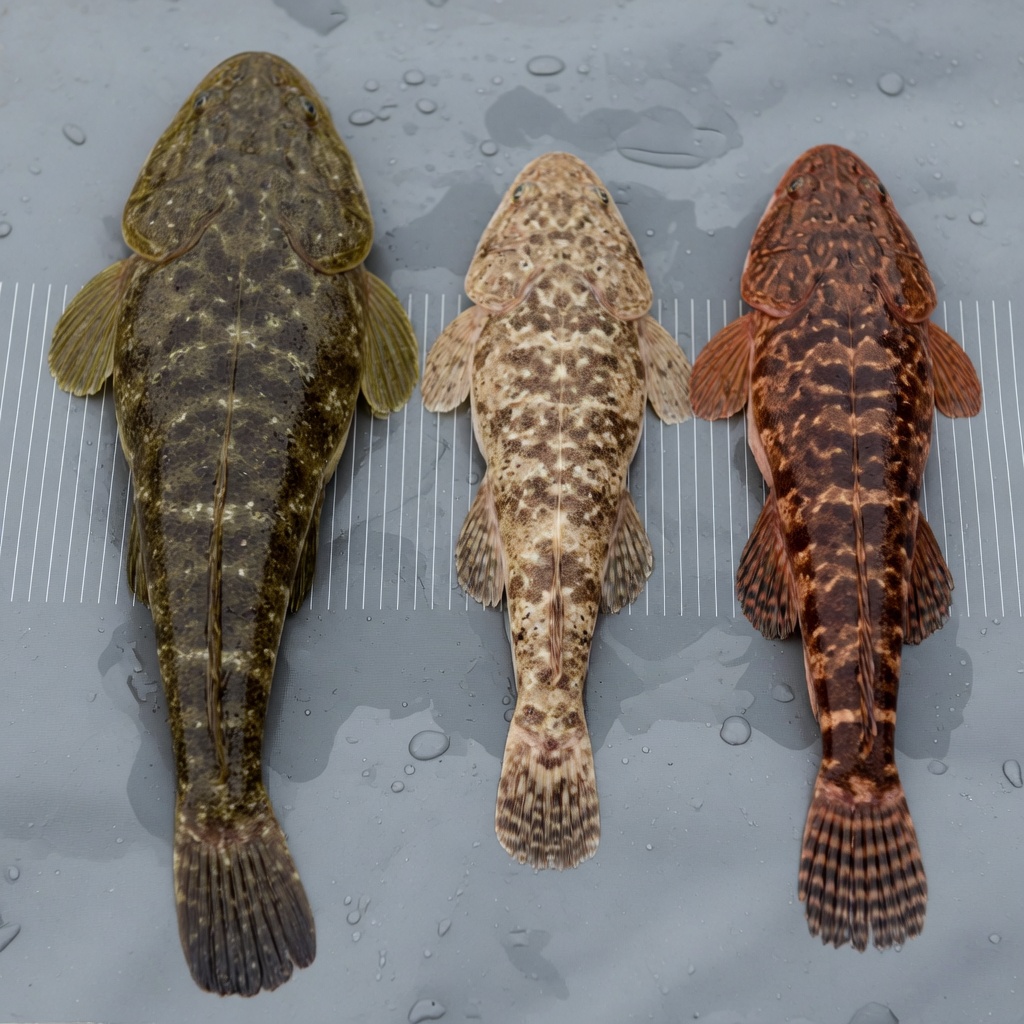
Why Flathead Identification Matters
Flathead are the bread and butter of estuary fishing right along the eastern seaboard, and around Sydney you can encounter three common species in a single session: dusky (mud) flathead, sand flathead and tiger flathead. They share the same flattened, ambush-predator body plan, so anglers often lump them together. That is a problem, because legal length and bag limits are written by species in some jurisdictions, and dusky flathead in particular carry upper size limits designed to protect big breeding females. Learning to identify what is on the mat takes seconds and makes the difference between a lawful catch and an accidental offence.
Identification also improves your fishing. Each species favours different depth, substrate and water temperature, so naming your catch tells you where to cast next and what size lure or bait to run.
Dusky Flathead (Platycephalus fuscus)
The largest of the group and the prize of shallow estuaries. Look for:
- Tail marker: a distinct dark blotch or "eye spot" on the upper rear corner of the tail fin, usually with a blue-black patch and often a yellow or orange wash below it. This is the single most reliable field mark.
- Colour: highly variable - sandy tan over sand flats, dark olive to near black over mud, weed and mangrove edges.
- Body: heavy shouldered, broad head, mottled rather than neatly spotted.
- Size: commonly 35-60 cm; genuine metre-plus fish exist, almost always females.
- Habitat: shallow sand and mud flats, drop-offs, weed beds, drains and mangrove creeks in estuaries such as those feeding Sydney's harbours and coastal lakes. Rarely far offshore.
Sand Flathead (Platycephalus bassensis)
The most abundant flathead across southern waters, including Victoria and Tasmania, and common on Sydney's inshore sand patches.
- Body markings: neat rows of rusty brown to reddish spots and blotches across a pale sandy background, giving a tidier, more patterned look than a dusky.
- Tail: spotted and barred, without the strong single dark eye spot of a dusky.
- Size: most fish 25-40 cm; anything over 50 cm is notable.
- Habitat: clean sand in bays and along beaches, generally 2-30 m. They school loosely, so where you catch one there are usually more.
Tiger Flathead (Platycephalus richardsoni)
An offshore species, more often met by boat anglers drifting sand and gravel bottom out from the coast.
- Colour: pink to reddish brown with obvious dark spots and faint bars, giving the "tiger" name.
- Head: narrower and more pointed than a dusky, with prominent spines - handle with care.
- Depth: typically 30-200 m, well beyond estuary waters.
- Size: commonly 30-50 cm, deep-bodied and thick through the tail.
A Quick Field Checklist
- Check the tail first. Dark upper eye spot plus yellow wash means dusky.
- Check the water. Shallow estuary equals dusky or sand; deep offshore drift equals tiger.
- Check the pattern. Neat rusty spots on pale sand suggests sand flathead; blotchy camouflage suggests dusky.
- Check the colour tone. Pink-red base colour points to tiger flathead.
- Measure from snout tip to the longest point of the tail, on a wet mat, before deciding to keep or release.
Handling, Release and Regulations
All three species carry sharp head and gill-cover spines that can cause deep, slow-healing puncture wounds. Use a wet towel or a lip grip, support the belly of large fish horizontally, and never hold a big dusky vertically by the jaw. Long-nose pliers, single hooks and knotless nets all shorten handling time. Big dusky flathead are the breeding stock of an estuary, so photograph them quickly beside the mat and send them back.
Minimum and maximum lengths, bag limits and any seasonal closures differ between NSW, QLD, VIC, SA, WA, TAS and the NT, and they change over time. Treat the figures in any article as background only and confirm the current rules with the relevant state or territory fisheries authority before you fish. If you are new to reading these rules, our broader species profiles and identification section explains how size and bag limits are structured by species.
Where to Target Each Species Around Sydney
Work the last two hours of a falling tide over shallow sand flats and drain mouths for dusky flathead, casting soft plastics of 3-5 inches or trolling small hard-bodies along drop-off edges. Sand flathead respond well to drifted baits of pilchard, squid or whitebait over clean sand in bays and off the beaches. Tiger flathead call for paternoster rigs, sinkers matched to current, and depth sounding to find gravel and shell patches. Warmer months from spring through autumn generally produce the most consistent estuary flathead fishing, while sand flathead remain reliable year round.
Australian Fish Species publishes practical, region-by-region guidance for anglers. Questions about a fish you cannot name? Send a clear photo to [email protected] or ring +61295585271 during Mon–Fri: 09:00 – 17:00 (AEST).

Navigation
See also
FAQ