Beach Worms, Pipis and Pilchards: Collecting and Using Local Baits
Why Local Baits Out-Fish the Freezer Bag
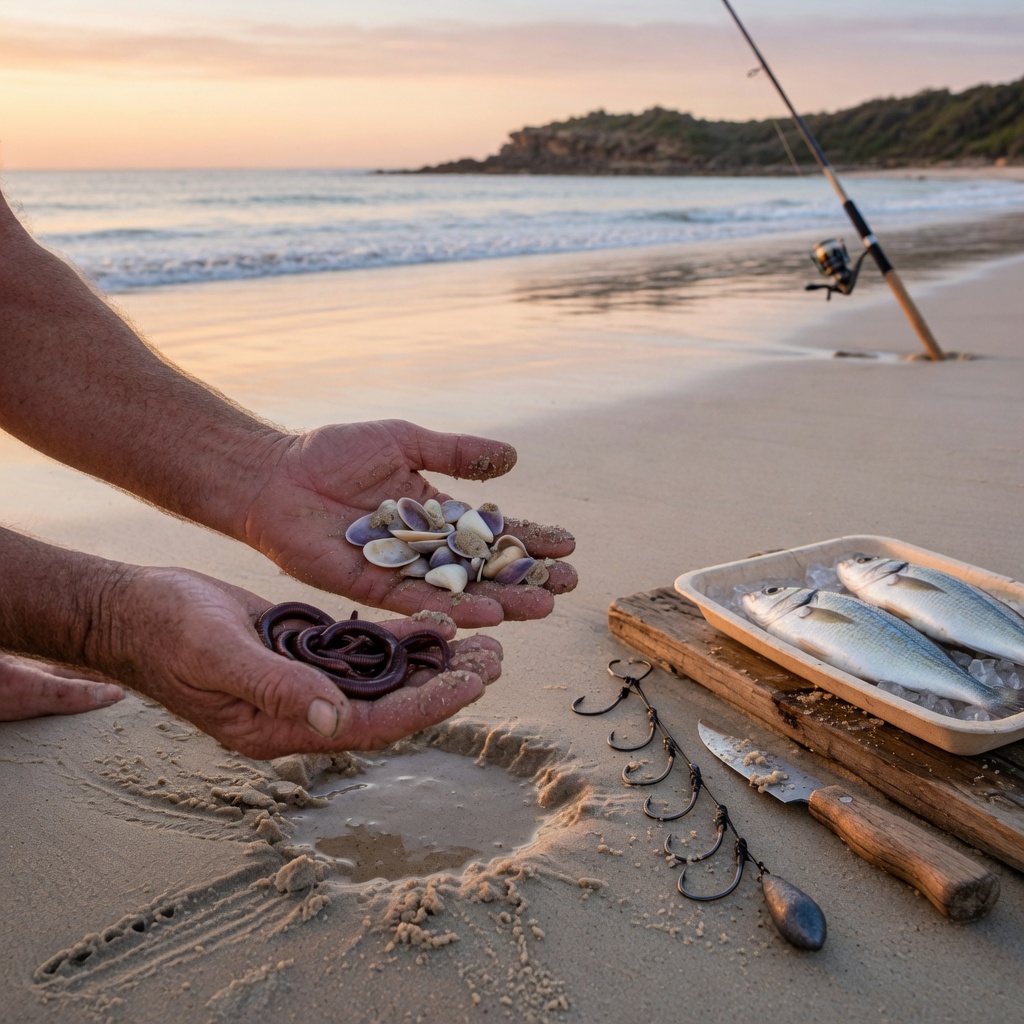
Along the Sydney coast, from the long open stretches of the northern beaches to the sheltered corners of Botany Bay, most surf species are already eating what washes about in the swash zone. Beach worms, pipis and small baitfish are the everyday menu. When you present the same food, fresh and rigged neatly, bite rates climb noticeably compared with a soft, thawed bait that has been refrozen twice. That is the whole idea behind gathering local baits: match the natural food, keep it firm, and put it where fish are already looking.
Australian Fish Species treats bait collecting as a skill in its own right. It costs almost nothing, teaches you to read a beach, and often shows you where the fish will be before you make a cast. Just remember that bait collecting is also regulated: gathering methods, quantities and closed areas differ by state, and marine park zones around Sydney add another layer. Check current rules with the relevant state or territory fisheries authority before you start, because limits and closures change over time.
Beach Worms: Reading the Swash and Getting the Grab Right
Beach worms live in the wet sand of the swash zone and rise to the surface when they smell food. Work a falling tide on a beach with clean, coarse sand and a defined swash line. A gutter with water pushing up and draining back cleanly is ideal.
- Bring a smell bag. Old fish frames, pilchard scraps or crushed pipis in an onion bag or stocking, tied to a short cord.
- Walk and drag. Move sideways along the swash as the water drains, dragging the bag through the film of water. Watch for a small V or a dark head poking up.
- Tease with a pipi. Hold a small piece of pipi flesh in your fingers just in front of the worm's head. It will lift and open its pincers.
- Grab low and firm. Pinch behind the head with thumb and forefinger, close to the sand, then pull with steady pressure straight up. Jerking snaps the worm in half.
Keep worms in dry sand in a plastic container, or wrapped in newspaper in a cool bag. They stay lively for a day or two and freeze acceptably if you lay them straight. Kingworm and shorter "slimy" worms both work; the long ones are prized for whiting because a single worm supplies several baits.
Rigging Worms
For sand whiting, thread a 30 to 50 mm section onto a long shank size 4 to 1 hook so it sits straight, leaving a short tail to wriggle. Bream and dart will take the same bait. For larger tarwhine and bigger whiting, double a longer piece over a size 1 hook. A simple running sinker rig with 30 to 60 g of snapper lead, a swivel and 500 to 700 mm of 6 to 10 kg fluorocarbon leader covers most Sydney beach work.
Pipis: Where to Look and How to Present Them
Pipis bury just under the sand where the waves run out, often in bands along the low tide mark. You find them by twisting your feet in the wet sand and feeling the shell edges, then lifting them by hand. Do not take more than you will actually use, and be aware that pipi collection is restricted or closed on some beaches. Verify the current rules for your intended beach before you go.
- Open with a blunt knife and use the whole flesh, including the tough foot, which helps the bait stay on the hook.
- Bind soft baits with a few wraps of bait thread or fine elastic so they survive a long cast and the tumble of the shorebreak.
- Use two pipis on a size 1/0 to 2/0 hook for bream and tarwhine around rock and beach corners.
- Save the juice. Shells and liquid make excellent burley in a small mesh bag pegged in the swash.
Pilchards: The Workhorse Baitfish
Pilchards are bought rather than gathered, but how you handle them decides everything. Buy firm, bright fish with intact scales, keep the block frozen until you leave, and thaw only what you need in a cool, shaded container. Never let a bag of pilchards sit in the sun on the sand; the flesh turns to mush and slides off the hook.
For tailor and Australian salmon, a whole pilchard on a two-hook ganged set of 4/0 to 5/0 hooks is the standard. Run the ganged hooks through the fish so it sits straight, with the last hook near the tail. Cast into the deeper blue water of a gutter and retrieve slowly, or fish it under a float off the rocks. Half pilchards on a single 3/0 hook suit bream and small snapper, and a whole fresh pilchard on a snelled rig is a proven mulloway offering after dark on a tide change.
Matching Bait to Species
- Sand whiting: beach worm first, small pipi strips second, fished right in the shallow gutter.
- Bream and tarwhine: pipi, worm sections and half pilchard, fished light around rock edges and holes.
- Tailor and salmon: whole ganged pilchard, worked through moving water at dawn and dusk.
- Mulloway: live or very fresh baits where legal, or a large fresh pilchard or fish fillet in deeper gutters at night.
- Flathead: fresh strip baits and pilchard halves rolled slowly across the sand between gutters.
Keeping Baits Fresh and Fishing Them Well
Bait quality falls away fast in Australian heat. Carry an insulated bag with a frozen bottle rather than loose ice water, keep baits dry, and separate worms from anything wet. Rebait regularly: a washed out pilchard has lost its oil and a pale worm has lost its scent. Small, tidy baits on sharp hooks consistently beat big ragged ones.
Timing matters as much as bait choice. The last two hours of a falling tide and the first two of the rise usually deliver on Sydney beaches, and dawn, dusk and the hours either side of a moon rise concentrate feeding. Read the beach at low tide, note where the gutters run and where the water drains back through a break in the bank, then return with your worms and pipis when the water pushes back in.
Safety and Conservation While Collecting
Bait gathering puts you at the water's edge with your eyes on the sand, which is exactly how people get caught out. Watch the swell, never turn your back on the water, and treat rock platforms with extreme caution: wear grippy footwear, check the marine forecast, and consider a lifejacket if you are anywhere near washed rocks. On beaches, watch for sudden sets and avoid working alone in a heavy shorebreak.
Take only what you need, fill in any holes you dig, and leave undersized pipis in the sand to keep beds productive. Return broken worms to the wet sand rather than leaving them on dry ground. Bag limits and gathering restrictions apply to bait species just as they do to fish, and they vary between states and marine park zones, so confirm current rules with the relevant fisheries authority each season.
Questions about local bait beaches, rigs or tides around Sydney? Reach Australian Fish Species at [email protected] or +61295585271 during Mon–Fri: 09:00 – 17:00 (AEST).

Navigation
See also
FAQ