Best Tide Windows for Offshore Reef Fishing
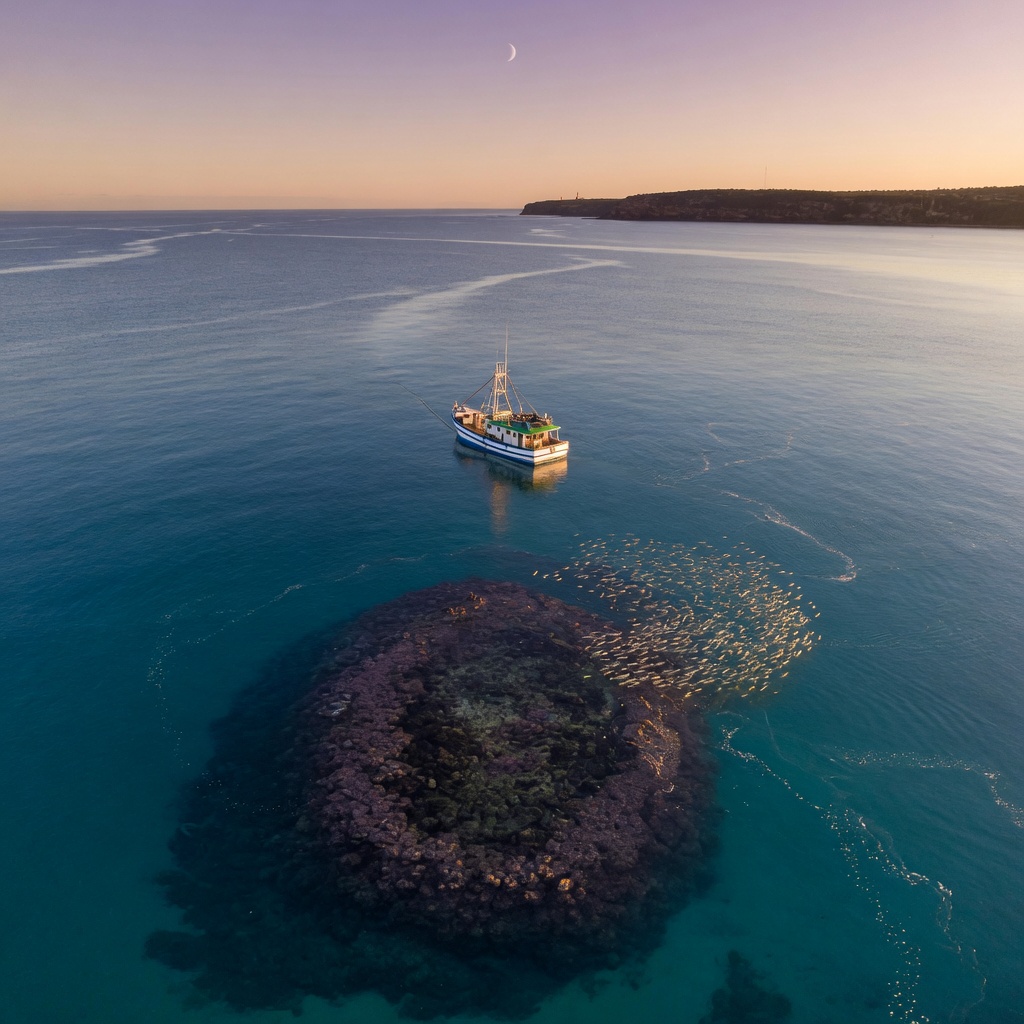
Why Tide Still Matters Out Wide
Plenty of anglers assume tide only counts in the estuaries, where water visibly drains off the flats. Offshore, the range may only be a metre or so, but the tide is what drives current across reef structure, and current is what positions bait and switches predators on. On the inshore reefs off Sydney — the 12 Mile, Long Reef, the Peak and the closer bommies in 20 to 45 metres — a moving tide lifts plankton and baitfish off the bottom, concentrates them on the up-current edge of a pinnacle, and gives snapper, morwong, pearl perch and kingfish a predictable place to feed.
The practical rule is simple: fish the change of pace, not the slack. Most reef sessions produce their best fish in the two hours either side of a tide change, when water is either building or backing off, rather than during the dead flat period when berley sinks straight down and baits hang lifeless.
The Four Tide Windows to Plan Around
- Last of the run-out into the turn: often the most reliable window for snapper on shallower reef in 25 to 40 metres. Water clarity drops slightly, current eases, and fish move up onto the top of the structure.
- First of the run-in: cleaner, cooler water pushes over the reef edge. This is prime for kingfish holding on bait balls and for mackerel and tuna in the warmer months.
- Peak run: hardest to fish with bait, best for jigging and trolling. Anchor becomes impractical; drift with the current and let jigs work the up-current face.
- Top of the tide slack: a short window that suits deep dropping in 100 metres plus, where holding position over a narrow ledge is otherwise difficult.
Moon Phase and Tidal Range
Around the new and full moon, spring tides create bigger ranges and stronger current. That means more feeding activity, but also faster drifts, heavier sinker weights and shorter comfortable fishing windows. Neap tides near the quarter moons give gentler current, better anchoring and more control on light gear, though the bite can be softer and more spread out through the day.
A useful approach: fish spring tides when you want aggressive pelagic action and can handle a fast drift, and neap tides when you are targeting demersal species with lightly weighted baits or soft plastics. Dawn and dusk overlapping a tide change is the classic combination worth building a trip around.
Reading Current on the Water
The East Australian Current complicates things off the New South Wales coast. On some days a strong southerly-setting current runs against the tide, creating a confused drift and colour lines that can sit well off the reef. Watch your sounder for bait sitting hard on the up-current side, note the angle of your line, and reposition so baits swing back over structure rather than away from it. If your berley trail and your baits are heading in different directions, you are not fishing the reef at all.
Safety and Bar Timing
Tide planning is also a safety decision. Outgoing tide against a swell makes coastal bars and harbour entrances dangerous, so time departures and returns for an incoming or slack tide where possible. Always check the marine forecast for wind against current, and log a trip plan before you head out. Handle deep-caught fish quickly and use a release weight to manage barotrauma if you intend to release them.
Quick Planning Checklist
- Note the tide times and range for your launch point, then pick the change closest to first or last light.
- Match sinker weight to expected current, and carry a spread from 20 g to 200 g.
- Have a jigging or trolling option ready for the peak run when anchoring fails.
- Check current bag and size limits with the relevant state fisheries authority before every trip, as rules change over time.
- Confirm swell, wind and bar conditions for the return leg, not just the run out.
For trip questions or to suggest a reef and tide combination worth covering, contact Australian Fish Species on +61295585271 or at [email protected] during Mon–Fri: 09:00 – 17:00 (AEST).

Navigation
See also
FAQ