Casting Accuracy for Structure and Snag Fishing
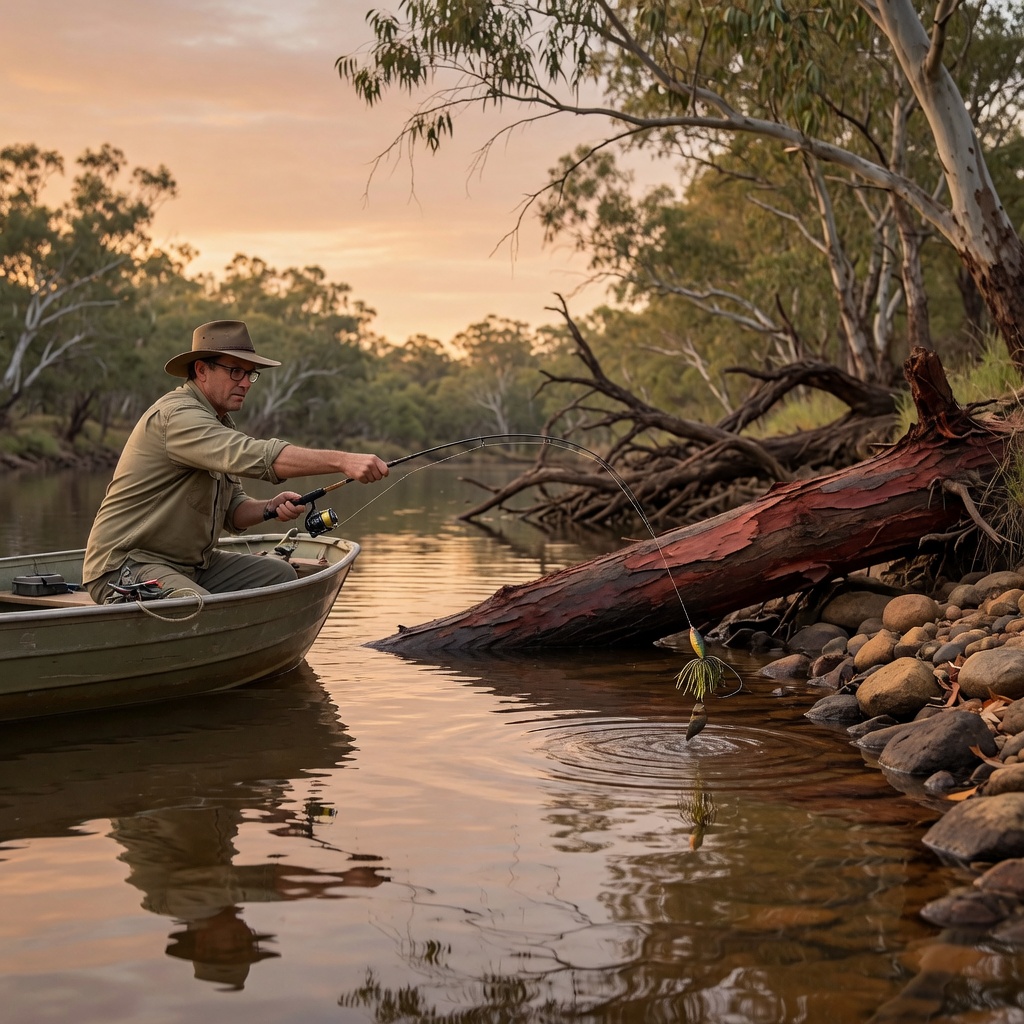
Why Accuracy Beats Distance Around Snags
Native freshwater fish and estuary ambush predators do not chase far. A Murray cod tucked under a fallen red gum, an Australian bass sitting beside a weed edge, or a mangrove jack wedged in root systems will usually strike within a metre or two of its cover. That means the cast that lands 30 cm from the timber is worth ten casts that land three metres out. On heavily fished waters within reach of Sydney, accuracy is often the only variable left that still produces fish, because pressured fish hold tighter to structure and feed in shorter windows.
Accuracy also protects your gear and the habitat. A controlled, low cast that stops on target is far less likely to wrap a branch, snap a leader or leave hooks and line in the snag. Fewer snags mean fewer retrieval attempts, less disturbance and more time with a lure in the strike zone.
Reading Structure Before You Cast
Spend the first minute at a spot looking rather than casting. Identify the single highest-percentage target, then plan a cast that presents the lure moving away from cover, not into it.
- Timber: the shaded side, the vertical trunk and the deepest limb junction hold fish; work the down-current edge first.
- Rock bars: target the eddy behind boulders and the seam where fast water meets slow.
- Undercut banks: cast parallel and keep the lure tight to the bank for as long as possible.
- Weed edges and lily beds: aim for pockets, points and any irregularity in an otherwise straight edge.
- Mangroves and pontoons: place the lure into the gap, not against the wood, so the retrieve starts clean.
Approach quietly. Electric motor use, low profile in a kayak and casting from further back all reduce spooking in clear inland rivers, especially in autumn when levels drop and water clarity improves.
Casts Worth Learning
- Sidearm cast: the workhorse for low overhanging cover. Keep the rod tip under a metre off the water and stop the rod hard on the target line.
- Pitch cast: a short, underhand lob for targets inside 10 m. Load the rod with the lure hanging 30 to 40 cm below the tip and let the blank do the work.
- Skip cast: flat, fast delivery that bounces a soft plastic or paddler under branches and pontoons. Best with a compact, flat-bellied lure.
- Roll or bow-and-arrow cast: for tunnels of vegetation on small streams where a backcast is impossible.
In every cast, feather the spool or line with your finger just before touchdown. That single habit converts a splashy overshoot into a soft, on-target entry and stops the lure dead where you want it.
Tackle That Makes Accuracy Easier
Precision is a gear question as much as a technique question. Short rods load faster and clear obstacles better. For freshwater snag work, a 1.8 to 2.1 m rod rated around 4 to 8 kg suits Murray cod and golden perch lures; bass and estuary work is comfortable with 2 to 2.1 m and lighter ratings. Low-profile baitcasters offer the best short-range control with lures over about 10 g, while a 2500 size spin reel handles lighter plastics and small hard bodies.
- Braid of 10 to 30 kg for heavy timber, 6 to 10 kg for bass and perch, gives instant hook-set and lets you steer fish out of cover.
- Fluorocarbon leader of 20 to 40 kg for cod and jacks, 5 to 10 kg for bass, whiting and bream.
- Lure choice: single-hook plastics and spinnerbaits reduce snagging in dense wood; hard bodies with tuned bibs deflect off timber and trigger strikes.
- Rod tip discipline: keep the tip low on the retrieve so the fish comes away from the snag, not up into it.
Practice Drills You Can Do Anywhere
Ten minutes of dry practice pays off on the water. Clip on a rubber casting weight and set three targets at 6, 10 and 14 m on grass. Score one point for a hit inside 30 cm and take one off for anything more than a metre out. Alternate sidearm and pitch casts, then repeat with your non-dominant hand and from a seated position to simulate kayak or boat casting. Finish with silent-entry practice: the goal is a soft plop, not a splash.
On the water, set yourself a rule of one cast per target before moving. It forces commitment, reduces spooking and quickly reveals which casting style you actually trust under pressure.
Timing, Seasons and Safety
Accuracy still needs a feeding window. In inland rivers and impoundments, the low-light hours around dawn and dusk, warm spring and summer evenings, and stable or slowly rising water usually produce the best surface and shallow structure sessions. In tidal systems, the last of the run-out and first of the incoming push often concentrates fish on snags and drains. Learn more about local fish behaviour and water types in our guide to native freshwater fish and inland fishing.
Fish snags with care. Keep hands clear of trebles when working fish out of timber, wear polarised eyewear, and never wade fast or unfamiliar water. Handle natives with wet hands, support the belly, minimise air exposure and release big breeders where possible. Bag limits, size limits and closed seasons for species such as Murray cod and Australian bass differ by state and change over time, so always verify current rules with the relevant state or territory fisheries authority before you fish.
Questions and Feedback
Australian Fish Species welcomes reader questions, spot reports and technique corrections. Reach us at [email protected] or +61295585271 during Mon–Fri: 09:00 – 17:00 (AEST), and let us know which waters near Sydney you would like covered next.

Navigation
See also
FAQ