Estuary Perch: Australia's Overlooked Native Predator
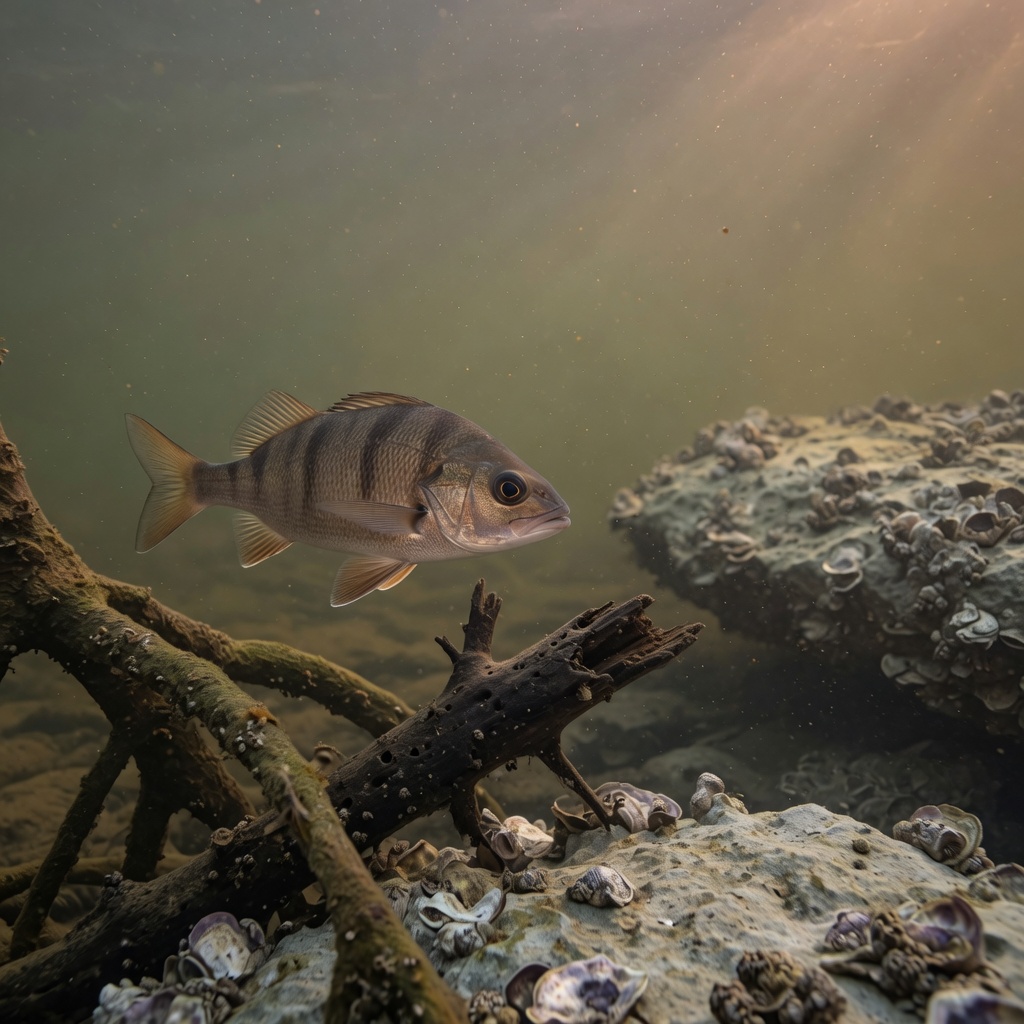
A native ambush predator hiding in plain sight
Estuary perch (Macquaria colonorum) are one of the most underrated native fish on the south-east coast. They share water with bream, flathead and mulloway, yet most anglers never target them deliberately. Around Sydney, they hold in the tidal reaches of systems such as the Hawkesbury–Nepean, Georges River, Port Hacking, Shoalhaven and Clyde, along with dozens of smaller coastal creeks between southern Queensland and eastern Victoria, including Tasmanian systems in the south of the range.
They are a schooling, structure-oriented ambush feeder with excellent low-light vision, a big bucket mouth and surprising power for their size. A 35 cm fish will bury itself in snags; a 45 cm fish feels like something much larger. Most captures fall between 25 and 40 cm, with fish beyond 50 cm considered a genuine trophy in any system.
Identification: telling perch from bass
Estuary perch and Australian bass overlap in the brackish middle reaches and are frequently confused. Useful pointers:
- Head profile: estuary perch have a distinctly concave, dished forehead; bass have a straighter, more convex profile.
- Body: perch tend to be deeper through the shoulders and more silvery, often with a slightly upturned snout appearance.
- Colour: bass frequently show olive-bronze to dark green backs; perch lean silver-grey to dusky, especially in clear tidal water.
- Habitat bias: perch dominate the lower and middle brackish zones; bass push further upstream into fresh water.
Because the two species share protections and closures in several states, correct identification matters. Both are commonly subject to seasonal spawning closures and size limits, and those arrangements differ by jurisdiction and change over time, so confirm the current rules with the relevant state or territory fisheries authority before you fish.
Habitat, structure and water
Think shade, current and edges. Estuary perch stack up around fallen timber, rock bars, bridge pylons, pontoons, undercut banks, weed edges and the mouths of feeder drains. They favour salinity gradients, so the "brackish wedge" that moves up and down a river with tide and rainfall largely dictates where the schools sit on any given day.
- Snags and timber: the classic holding structure in tidal freshwater and low-salinity reaches.
- Rock bars: best worked on a running tide, with fish sitting in the eddy behind the bar.
- Man-made structure: bridges and moored boats concentrate baitfish and shadow lines at night.
- Deep holes: mid-river depressions of 4 to 10 m often hold schooled fish during bright, cold conditions.
Seasons, tide and moon
Estuary perch spawn in the cooler months, roughly late autumn through winter into early spring depending on latitude, and they gather in the salty lower reaches to do it. That aggregation makes them vulnerable, which is exactly why closures exist in parts of the range. Through spring and summer the schools disperse and push back upstream, becoming aggressive shallow-water feeders around structure.
Practical timing notes:
- Low light wins: dusk, the first two hours of dark, and dawn produce the highest strike rates.
- Tide: the last of the run-out and the first of the run-in over a rock bar or creek mouth is prime. Slack water usually slows the bite.
- Moon: bright nights push fish tighter to shadow lines; dark nights spread them into open shallows.
- Barometer and weather: stable or rising pressure ahead of a change, and warm humid evenings in summer, tend to fire up surface feeding.
Tackle, lures and rigs
A 2 to 4 kg spin outfit with a 1000 to 2500 size reel, 4 to 8 kg braid and a 4 to 6 kg fluorocarbon leader covers most work. Step up to 10 kg leader if you are casting into heavy timber.
- Soft plastics: 60 to 90 mm paddle-tails and grubs on 1/16 to 1/4 oz jigheads, hopped along bars and past snags.
- Hard bodies: shallow to mid-diving 50 to 70 mm minnows, cast at structure and paused; suspending models excel in cold water.
- Vibes and blades: 40 to 60 mm for schooled fish in deeper holes, with a lift-and-drop retrieve.
- Surface: small poppers, walk-the-dog stickbaits and paddler-style lures on warm summer nights over shallow flats and along bank edges.
- Bait: live prawns, small mullet, whitebait and worms under a light running sinker or unweighted near structure.
Retrieve discipline matters more than lure choice. Perch often follow and strike on the pause, so build long hesitations into every cast and keep the rod tip ready to load up rather than snap-strike.
Handling, release and conservation
Estuary perch are slow-growing and long-lived, with populations that recover slowly from heavy pressure. They also depend on connected rivers: barriers, weirs and lost snag habitat all reduce recruitment. Treat every fish as a breeding investment.
- Use knotless landing nets and wet hands; avoid lifting fish by the jaw at right angles.
- Keep fish in the water where possible and limit air exposure to a few seconds for photos.
- Crush barbs or use single inline hooks on hard bodies to speed up unhooking.
- If a fish comes up from deeper water and struggles to swim down, vent or use a release weight following current best-practice barotrauma advice.
- Rest a spot after a few fish rather than working a school until it shuts down.
Safety on the water
Most estuary perch fishing happens at night in tight, snaggy water. Carry a headtorch plus a spare, wear a lifejacket in small craft, tell someone your plan and check the marine forecast before crossing any bar or open stretch. Cold winter water and unlit navigation hazards are the two biggest risks in the middle reaches.
Get in touch
Have local knowledge, an identification query or a correction for our species notes? Contact Australian Fish Species at [email protected] or +61295585271 during Mon–Fri: 09:00 – 17:00 (AEST). Regulations content is general in nature, so always verify current bag limits, size limits and closed seasons with your state or territory fisheries authority before keeping a fish.

Navigation
See also
FAQ