Marine Parks, Sanctuary Zones and No-Take Areas Explained
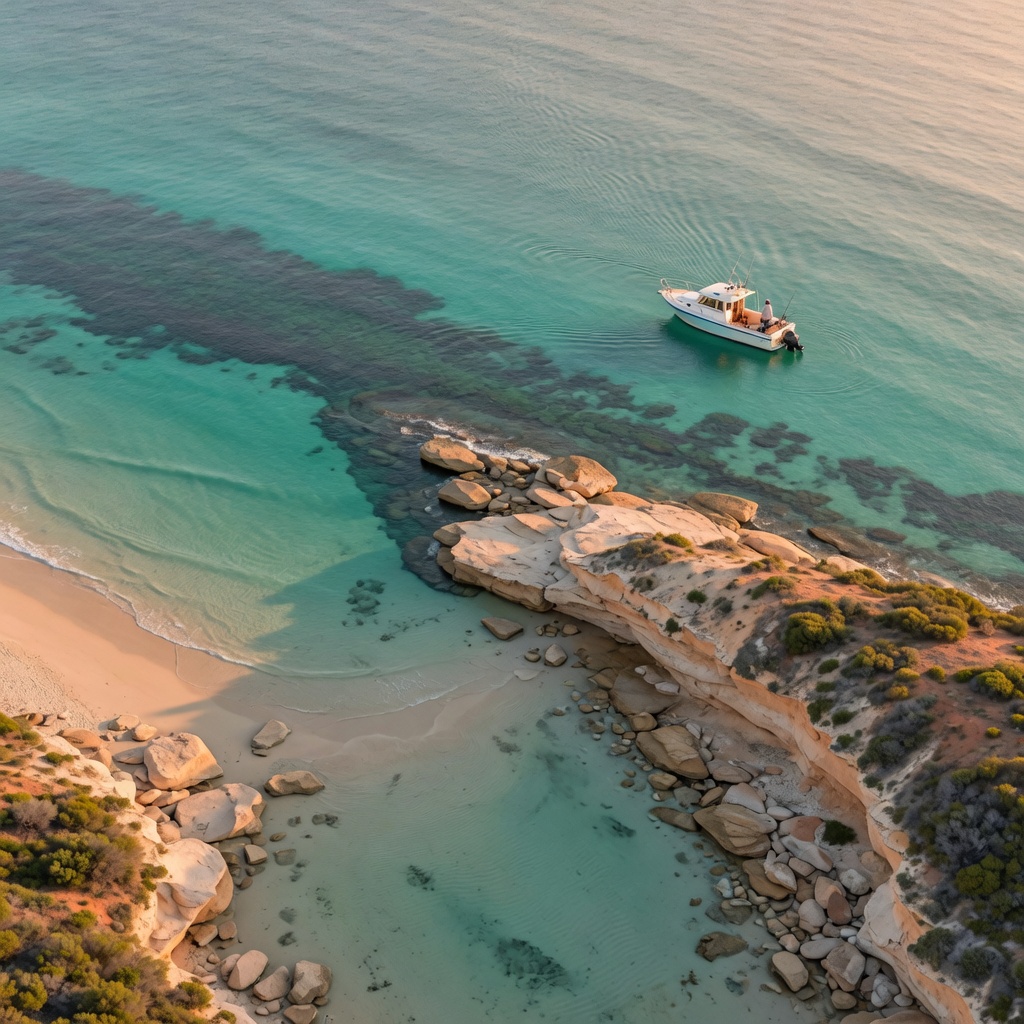
Why Zoning Matters Before You Wet a Line
Marine parks are one of the most common reasons otherwise careful anglers end up on the wrong side of the rules. Bag limits and size limits travel with you along the coast, but zoning is spatial: the same species, rig and bait can be perfectly legal on one side of a headland and prohibited a few hundred metres away. Around Sydney and along the wider NSW coast, aquatic reserves, marine park zones and habitat protection areas sit close to popular estuary flats, rock ledges and inshore reef, so a quick pre-trip check is part of sensible planning alongside your marine forecast and trip plan.
Each state and territory manages its own marine estate, and the Commonwealth manages Australian Marine Parks in offshore waters. That means the names, colours on the map and permitted activities differ between NSW, QLD, VIC, SA, WA, TAS and the NT. Because boundaries and zoning plans are reviewed and can change, treat this article as an explanation of how the system works, then verify current maps and conditions with the relevant fisheries or marine park authority for the waters you intend to fish.
The Common Zone Types
Sanctuary or no-take zones
These are the strictest zones. Typically all fishing and collecting is prohibited, including bait gathering, spearfishing, and often trolling straight through with lines in the water. You may usually transit, anchor or dive and snorkel, but gear should be stowed and unbaited. If you are drifting a live bait for kingfish near a boundary, wind and current can carry you across without you noticing, so build in a buffer.
Habitat protection zones
These generally allow recreational line fishing while banning activities that damage the seabed, such as certain nets, traps or trawling. They are frequently used to protect seagrass, mangrove fringe and rocky reef, the exact habitat that holds bream, flathead, whiting and mangrove jack.
General use zones
Most types of recreational fishing are allowed, subject to the normal state bag limits, size limits and gear rules. This is where the majority of estuary, beach and inshore effort happens.
Special purpose zones
These cover site-specific arrangements: a boat harbour, an aquaculture lease, a seasonal closure over a spawning aggregation, or a shore-based-only fishing area. Read the fine print, because permitted methods can be narrower than they first appear.
Aquatic Reserves and Seasonal Closures
Beyond marine parks, many states declare smaller aquatic reserves and intertidal protected areas, often over a single bay, bommie or rock platform. These commonly protect invertebrates and shore life, so collecting cunjevoi, crabs, worms or cockles for bait may be banned even where line fishing is allowed. Separately, seasonal or species closures can apply inside and outside parks, for example protections around spawning periods for estuarine and freshwater species. The two systems stack: being in a general use zone does not exempt you from a species closure.
How to Check Boundaries Properly
- Identify the waterway and the managing authority before you leave home, not at the ramp.
- Open the official zoning map or app for that marine park or reserve and zoom to your intended spots.
- Note the boundary description in words as well as on the map, since many are defined by lines between named points, not by visible features.
- Save waypoints or a track boundary on your sounder or handheld GPS, and add a margin of at least a couple of hundred metres.
- Check whether the zone restricts methods, gear or bait collection as well as the take of fish.
- Recheck before each season, as zoning plans and closures are periodically reviewed.
Practical Habits That Keep You Compliant
- Stow gear while transiting a sanctuary zone: rods in holders, lures unclipped, no baited lines over the side.
- Watch your drift when fishing near a line. A running tide and a fresh nor-easter can move you faster than you think.
- Keep fish accounted for so you can show where they were caught if asked, and understand that possession of a protected species inside a zone can be an offence in itself.
- Don't rely on other boats as evidence a spot is open. Someone anchored on a mark is not proof of legality.
- Treat land-based spots the same way: rock platforms, breakwalls and beaches can fall inside reserves.
Why Anglers Benefit From No-Take Areas
Well-placed sanctuary zones protect structure, seagrass and spawning biomass, and the larger, older fish inside them can contribute disproportionately to recruitment across a region. For anglers, the practical upside often shows up on the edges: reef margins, drop-offs and the current lines just outside a closed area frequently fish well. Combine that with your own conservation habits such as careful catch and release, wet hands, knotless nets, circle hooks on bait, and venting or release weights for reef fish suffering barotrauma, and the long-term fishing stays healthy.
Get in Touch
Zoning questions come up constantly from readers planning trips out of Sydney and interstate. If a boundary description in our destination guides is unclear, contact Australian Fish Species at [email protected] or +61295585271 during Mon–Fri: 09:00 – 17:00 (AEST) and we will point you to the current official map. We publish guidance, not rulings: the final word always rests with the relevant state, territory or Commonwealth authority.

Navigation
See also
FAQ