Metal Slugs, Micro Jigs and Vibes: When to Use Each
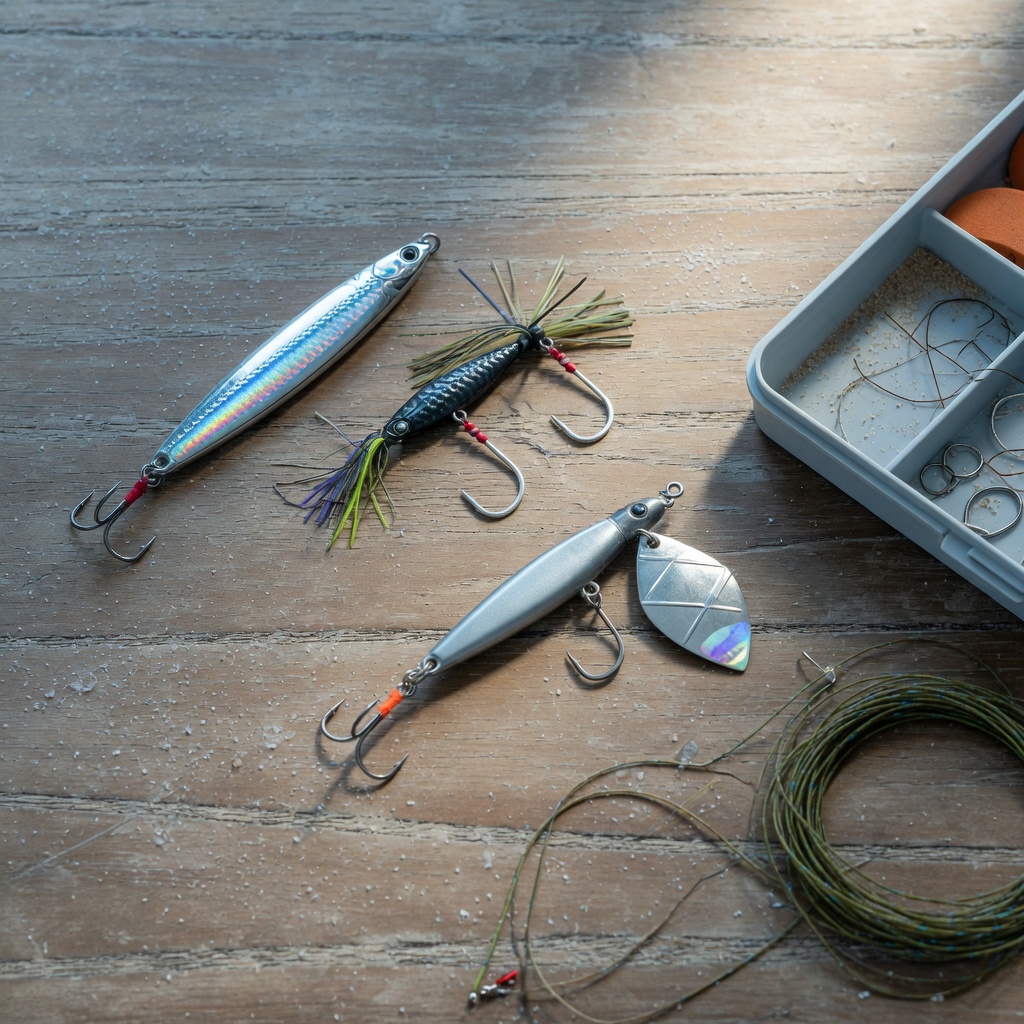
Three Lures, Three Jobs
Metal slugs, micro jigs and vibes all sink, all flash and all get bitten — but they solve different problems. Choosing correctly is usually a matter of reading the water column: where the fish are sitting, how fast the current is moving, and how much time your lure has in the strike zone. Around Sydney, all three earn a place in the same tackle tray, from the harbour headlands to the deeper reef edges and the sandy estuary drop-offs.
As a rough rule: slugs cover distance and speed, micro jigs cover vertical structure, and vibes cover the bottom metre where flathead, bream and mulloway hunt. Match the lure to the job and you fish far fewer wasted casts.
Metal Slugs: Distance, Speed and Surface Chaos
A slug is a dense chunk of metal designed to be cast a long way and retrieved fast. That makes it the first choice when fish are feeding on small baitfish near the surface and you need to reach them — bust-ups off the rocks, tailor working a beach gutter, Australian salmon herding whitebait, or bonito and small kingfish slashing through a harbour bait ball.
- Typical weights: 20–40 g off the beach and rocks, 10–20 g in estuaries and off the wharves.
- Retrieve: flat out, or high-speed with sharp rod-tip taps. If you think it is too fast, it usually is not.
- Tackle: 2500–4000 size reel, 2.4–3.0 m rod, 10–20 lb braid with a short fluorocarbon leader.
- Best conditions: wind behind you, visible surface activity, clean water, dawn and dusk feeding windows.
Slugs shine when casting range matters more than finesse. If a school pops up 40 m out and disappears in twenty seconds, nothing else gets there in time. Fish them with single inline hooks where you plan to release, since they hold well and cause less damage than trebles.
Micro Jigs: Vertical Work Over Structure
Micro jigs are compact, hydrodynamic metals designed to be worked vertically or on a steep angle, usually with an assist hook at the head. They come into their own when fish are holding tight to reef, bommies, bridge pylons or deep rock ledges and will not chase a horizontal lure.
- Typical weights: 15–40 g in 5–20 m, 40–80 g in 20–50 m or in strong current.
- Retrieve: drop to the bottom, then short sharp lifts with a slow wind, pausing every few metres. Most hits come on the pause or the flutter down.
- Targets: snapper, coral trout on northern reefs, small kingfish, pearl perch, sweep, bonito and a long list of by-catch.
- Tackle: short 1.8–2.0 m spin stick with a soft tip, 10–20 lb braid, 20–40 lb leader.
Keep the boat drift under control. If your line angles past about 45 degrees you are dragging the jig, not jigging it — add weight or reposition. Micro jigging is also a great way to learn what lives on a mark, because you will land species you would never target on bait. If an unfamiliar fish comes aboard, work through the identification pointers in our fish species profiles and identification guides before you decide whether it is a keeper.
Vibes: The Bottom Metre Specialist
Vibes — both blades and soft plastic-bodied vibes — have a tight, high-frequency wobble on the lift and a flutter on the drop. They stay in the bottom metre of water, which is exactly where flathead, bream, mulloway, estuary perch and Australian bass do most of their feeding.
- Typical weights: 5–15 g in estuaries, 20–40 g for deeper holes and offshore snapper work.
- Retrieve: lift 30–60 cm, let it fall on a semi-tight line, repeat. Slow-roll along sand flats and drop-offs when fish are active.
- Best water: deeper estuary channels, sand and mud flats adjoining drop-offs, bridge and wharf edges, and river holes during a run-out tide.
- Tackle: 2–4 kg spin outfit, 6–10 lb braid, 8–16 lb fluorocarbon leader.
Vibes are the answer for winter bream schooled in deep water, big flathead sitting on a channel edge, and mulloway working a tide change at night. Pin-point the bottom on every cast: if you lose contact, you lose the strike zone.
Quick Decision Guide
- Surface busting or fish showing on top? Metal slug, fast retrieve.
- Fish stacked on reef, pylons or a bommie in 10 m or more? Micro jig, vertical.
- Nothing showing, fish hugging sand or mud? Vibe, lift and drop.
- Heavy current, deep water? Go heavier before you go smaller — contact beats subtlety.
- Clear water, fussy fish? Downsize the lure and lighten the leader before changing lure type.
Tide, Light and Timing
Lure choice interacts with feeding windows. The first two hours of a run-out tide often concentrates bait at estuary drop-offs, which favours vibes. A rising tide pushing over shallow reef and washing against headlands suits slugs. Slack water and the change of tide, when current is manageable, is prime micro jigging time offshore. Overcast mornings, moon phases either side of new and full, and the hour around sunrise and sunset all lift activity regardless of which lure you tie on.
Safety and Release Practice
Casting metals off rocks means standing near the water. Check the marine forecast and swell period before you commit, wear a lifejacket and cleated footwear, and watch a spot for at least fifteen minutes before you fish it. Offshore, jigging often means drifting near structure in swell, so brief your crew on where the tackle and safety gear live.
Because all three lure types can be fished fast, hooked fish are frequently landed in good condition — worth remembering if you plan to release. Crush or swap trebles for singles, keep fish in the water where you can, support larger fish horizontally, and vent or use a release weight for reef fish showing signs of barotrauma. Bag limits, size limits and closures differ by state and change over time, so confirm current rules with the relevant state or territory fisheries authority before your trip.
Questions about a lure choice for a specific mark? Contact Australian Fish Species on +61295585271 or [email protected] during Mon–Fri: 09:00 – 17:00 (AEST).

Navigation
See also
FAQ