Murray-Darling Basin: Best Rivers and Dams for Cod and Yellowbelly
Why the Basin Fishes Differently to the Coast
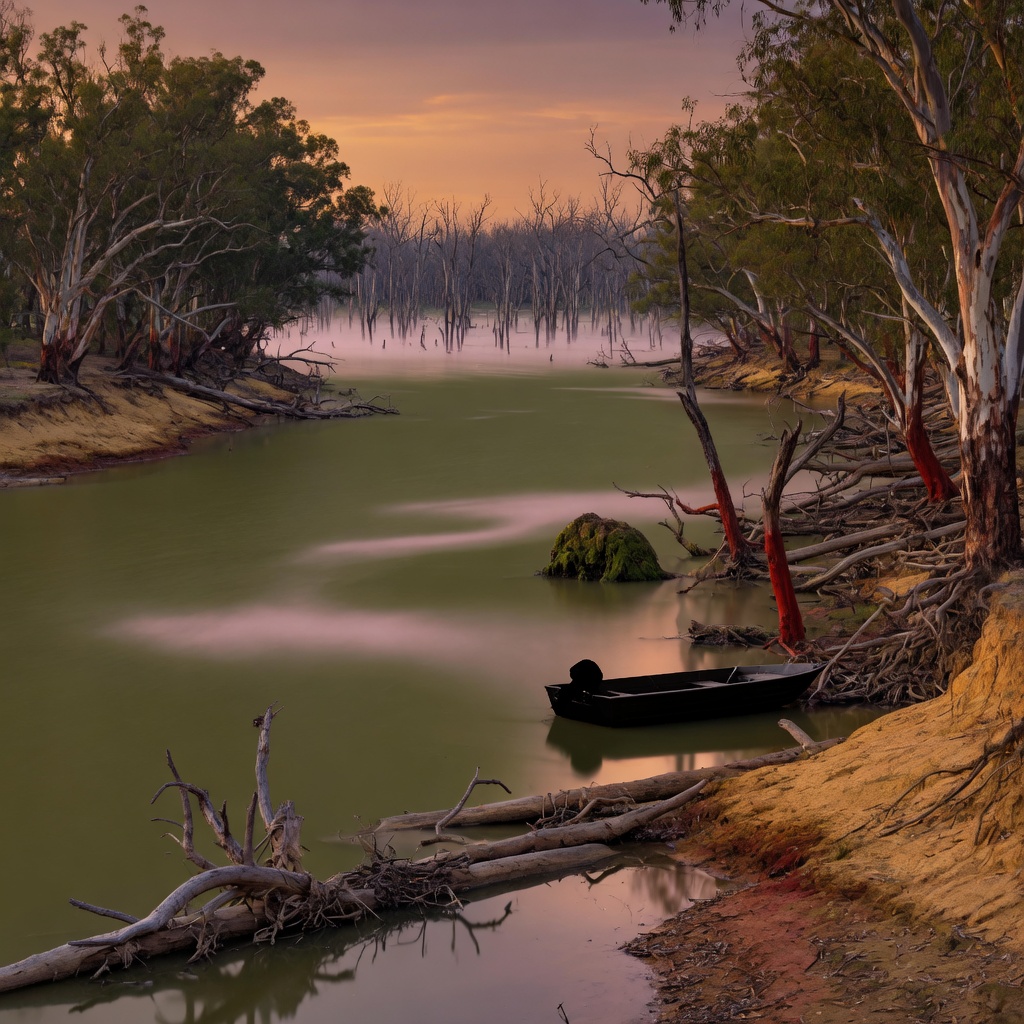
The Murray-Darling Basin drains a huge slice of inland Australia, and its fish behave nothing like estuary bream or beach whiting. Murray cod and golden perch (yellowbelly) are structure-oriented ambush and roaming feeders that respond to water temperature, flow changes and barometric swings rather than tides. For anglers based in Sydney, the closest productive water sits west of the Great Dividing Range, and a weekend trip usually means choosing between a flowing river stretch and a large impoundment. Those two environments demand different tackle, different lure sizes and different expectations.
As a rule of thumb: rivers reward casting accuracy and short, aggressive sessions around snags; dams reward searching, sounder work and patience over long banks of standing timber. Both fish are legally protected by seasonal closures in some jurisdictions, so confirm current rules, size limits and bag limits with the relevant state fisheries authority before you leave home.
River Systems Worth Learning
Murray River
The main stem offers endless timber, rock walls and undercut banks. Focus on the outside of bends where current sweeps against fallen red gums. Cod hold tight to the darkest shade; golden perch tend to sit slightly wider, on the edge of the current seam. Spinnerbaits and 50-75 mm hard bodies cast hard against timber and worked back with pauses will cover both species.
Murrumbidgee and Lachlan
Smaller, more intimate water with wadeable and kayak-friendly stretches. Low, clear flows in late summer concentrate fish into deeper holes. Downsized lures and light braid help in the clear water, while surface lures at dusk can produce memorable cod sessions in the shallow runs.
Darling, Namoi, Gwydir and Macquarie
Turbid, slower northern rivers where vibration and profile matter more than colour. Lipless crankbaits, dark spinnerbaits with big blades and scented soft plastics on jigheads are dependable. Golden perch dominate the catch in many of these systems, particularly after a small freshet lifts the water.
Goulburn, Ovens and Mitta Mitta
Victorian tributaries with cooler, faster water. These fish hard in late spring and autumn, and produce quality cod around boulder gardens and log jams. Where trout water overlaps upstream, note the change in species mix and the different closures that may apply.
Impoundments That Consistently Produce
- Lake Mulwala - flooded timber over a broad basin; the benchmark for casting and trolling to big cod.
- Copeton Dam - open water and long timber lines; known for tough sessions punctuated by very large fish.
- Blowering and Burrinjuck - steep points, drowned trees and reliable golden perch schools on the sounder.
- Wyangala and Windamere - clean water, good bait schools, and yellowbelly that respond well to vertical presentations.
- Lake Eildon and Lake Eppalock - Victorian options with strong cod populations around points and submerged creek beds.
In dams, use your sounder to find bait first. Golden perch stack on structure at 4-9 m through the warmer months and will take small ice jigs, vibes and blades dropped straight down. Cod patrol the timber and the thermocline edge, and are often taken on deep-diving hard bodies trolled at 4-6 km/h along a consistent contour.
Seasons, Temperature and Feeding Windows
Water temperature drives everything inland. Below about 14 degrees, both species slow markedly and bites shorten. From roughly 18 degrees upward, activity climbs, and the peak inland fishing runs from late spring through autumn.
- Spring: rising temperatures and small flow pulses trigger golden perch movement. Closed seasons for cod apply in several states at this time.
- Summer: best surface and low-light fishing. Fish dawn, dusk and into the night; midday is often dead in clear dams.
- Autumn: arguably the most consistent window for big cod as fish feed heavily before cooling water.
- Winter: slow but not hopeless. Fish deep, fish slow, and target the warmest part of the afternoon.
A falling barometer ahead of a change, or the days either side of the new and full moon, will often lift activity. Overcast, humid evenings after a warm day are prime for surface lures.
Tackle, Rigs and Lure Choices
For river casting, a 2-4 kg or 3-6 kg baitcast or spin outfit, 20-30 lb braid and 20-40 lb leader handles most work. Around heavy timber in dams holding large cod, step up to a heavier rod, 50 lb braid and 40-60 lb leader. Upgrade trebles and split rings on hard bodies; inland cod hit with surprising force and dive straight for cover.
- Spinnerbaits: 3/8 to 3/4 oz, dark colours in turbid water, for tight casting to snags.
- Hard bodies: 50-100 mm shallow divers for rivers, 100-150 mm deep divers for trolling dams.
- Soft plastics and vibes: 60-100 mm paddle tails and 40-60 mm lipless vibes for yellowbelly on structure.
- Surface: paddlers and walkers at dusk in shallow, timbered water.
- Bait: scrub worms, yabbies and shrimp on a running sinker rig remain deadly for golden perch.
If you are still separating similar-looking natives, our species profiles and identification guides cover the differences between Murray cod, trout cod, golden perch and silver perch, including the features that matter for legal compliance.
Handling, Release and Conservation
Large cod are old fish and deserve careful treatment. Use a knotless rubber net, wet your hands, support the fish horizontally, and keep it out of the water for the shortest possible time. Avoid laying fish on hot boat decks or dry banks. Long-nose pliers and side cutters speed up hook removal on trebles. Deep-hooked fish are best released with the leader cut close.
Respect snag habitat: fallen timber is nursery and shelter, not an obstacle. Avoid removing woody debris, keep boat wash away from eroding banks, and clean and dry gear between systems to limit the spread of pests and disease. Where stocked impoundments support the fishery, buying the relevant state recreational fishing licence funds that stocking.
Planning a Trip Inland
Inland trips need self-sufficiency. Many launch ramps are unsealed and drop away in low water, phone coverage is patchy, and summer heat is genuine. Carry more drinking water than you think you need, tell someone your plan, and check dam levels and river flow data before committing to a long drive. Snakes, sunburn and dehydration cause more grief inland than anything in the water.
Rules for closed seasons, size and bag limits, and gear restrictions vary between NSW, VIC, SA, QLD and the ACT, and change over time. Treat any figure you read online as a prompt to verify, not a final answer, and check directly with the fisheries authority for the state you are fishing.
Questions about a specific reach or impoundment? Contact Australian Fish Species on +61295585271 or [email protected] during Mon–Fri: 09:00 – 17:00 (AEST) and we will point you to the relevant species and destination guides.
Navigation
See also
FAQ