New South Wales: Estuaries and Offshore Reefs for Bream, Flathead and Snapper
Why the NSW Coast Suits These Three Species
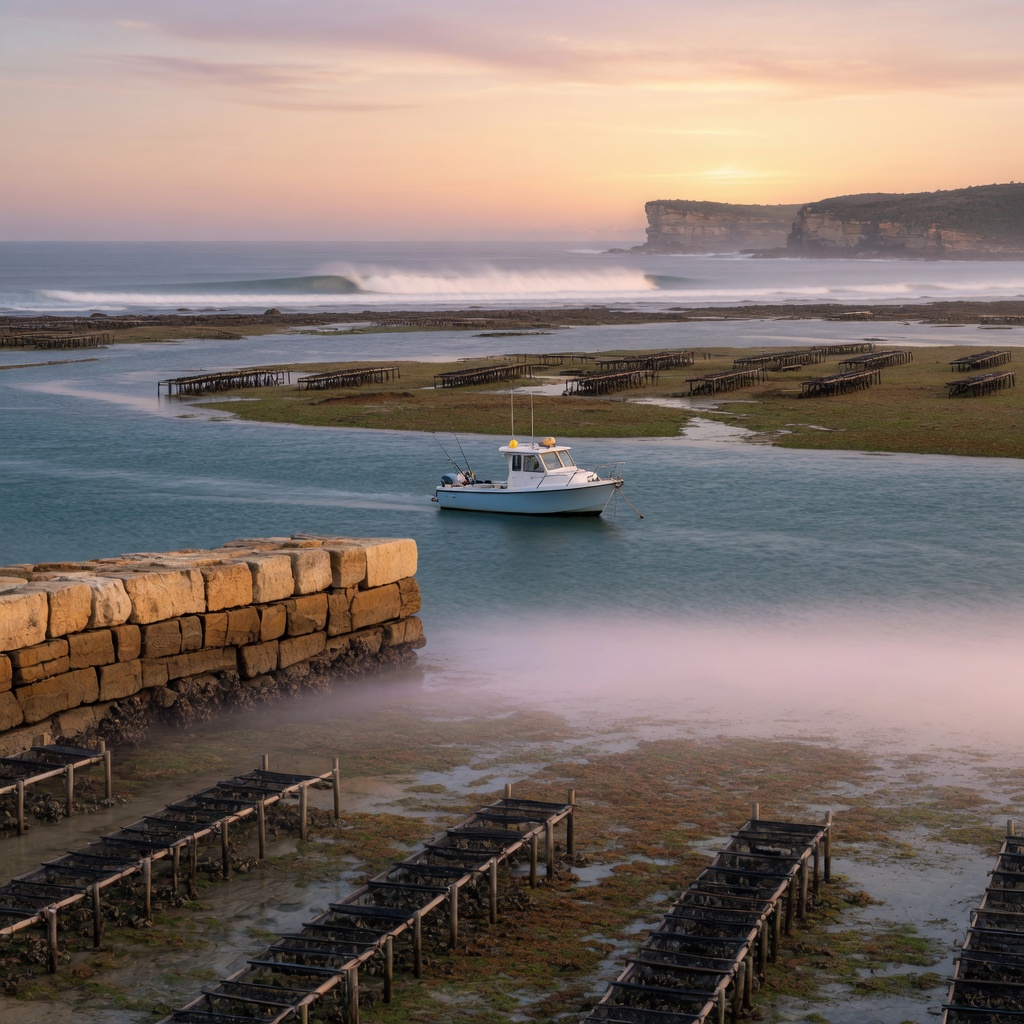
The stretch of coast either side of Sydney gives anglers two very different worlds within an hour of each other. Drowned river valleys such as the Hawkesbury, Port Jackson, Botany Bay, Georges River and Port Hacking hold oyster racks, rock walls, weed flats and deep channels. Just outside the heads, gravel patches, reef edges and isolated pinnacles rise from 30 to 80 metres. Bream and dusky flathead dominate the estuary systems, while snapper move between inshore reef in the cooler months and deeper structure through summer. Learning how the three overlap, especially around estuary mouths and nearshore bommies, is the fastest way to lift your catch rate.
Species Notes and Identification
Yellowfin Bream
Silver-bronze with distinctly yellow pelvic and anal fins, bream are opportunistic feeders on crabs, prawns, worms and small baitfish. They school heavily in late autumn and winter as they move towards estuary mouths and nearby beaches to spawn, which is when heavier fish become far more predictable.
Dusky Flathead
An ambush predator that lies buried on sand and mud beside weed edges and drop-offs. Look for the two dark spots at the base of the tail. Larger females are the breeding stock, so treat anything over about 70 centimetres as a photograph-and-release fish, supporting it horizontally in the water.
Snapper
Recognised by the blue spots on juveniles and the bulging nasal hump and forehead of older fish. Snapper feed on cuttlefish, pilchards, squid, octopus and crustaceans, and hold hard against reef edges where current pushes food along the structure.
Reading Tide, Moon and Weather
Feeding windows matter more than gear. In the estuaries, the last two hours of a run-out tide concentrates prawns and crabs off flats and out of drains, and both bream and flathead sit downstream waiting. A rising tide pushes bream into oyster racks, mangrove roots and rock walls where they browse in very shallow water. Around the new and full moon, bigger tidal movement lifts activity, particularly at dawn, dusk and after dark.
On the reefs, look for a moderate current, water temperature breaks and clean water after a run of settled weather. Snapper often bite hardest at first light and in the last hour of daylight, and a change of barometric pressure ahead of a front can trigger a short, intense feed. Always check the marine forecast for wind strength, swell height and swell period before committing to a day offshore.
Rigs, Baits and Lures That Work
- Estuary bream: 2 to 4 kilogram fluorocarbon leader, small ball sinker running to a size 2 to 1/0 hook, baited with peeled prawn, half a pilchard, mullet strip or live nipper. On lures, 40 to 65 millimetre hardbodies, small vibes and 2 to 3 inch soft plastics on 1/16 to 1/8 ounce jigheads.
- Dusky flathead: 3 to 5 inch paddle-tail plastics hopped along drop-offs, shallow-diving lures over sand flats, or a running sinker rig with whole white pilchard or fresh strip bait.
- Reef snapper: paternoster or single-hook running rig with 15 to 25 kilogram leader, a snelled twin-hook set for pilchards, plus soft plastics and slow-pitch jigs when drifting over gravel and reef edges.
Keep bait fresh, match hook size to the bait rather than the fish, and use the lightest sinker that still holds bottom. Braided main line of 4 to 10 kilogram is ample in the estuary, while 10 to 15 kilogram braid with a long leader handles most inshore reef work.
Where to Start Around Sydney
- Work rock walls and bridge pylons in the lower Georges and Hawkesbury for bream on a rising tide.
- Drift the sand and weed edges of Botany Bay and Port Hacking for flathead through spring and summer.
- Fish nearshore reef and gravel from 25 to 60 metres for snapper in autumn and winter, anchoring up-current and letting a berley trail carry back over the structure.
Rules, Safety and Conservation
New South Wales sets minimum legal lengths, bag limits, and seasonal or spatial closures, and a recreational fishing fee applies in most situations. Limits and closures change over time, so confirm current rules with NSW fisheries authorities before every trip rather than relying on memory or old advice.
Treat safety as part of the plan. Wear a lifejacket on small boats and when rock fishing, tell someone your intended route and return time, and never attempt a coastal bar crossing in a building swell. For snapper brought up from deeper water, watch for barotrauma signs such as a distended stomach or bulging eyes, and use a release weight or venting tool correctly so released fish can return to depth. Handle bream and flathead with wet hands, keep them out of the water briefly, and leave undersized and oversized fish to spawn again.
Questions about a specific system or a rig for your local reef? Contact Australian Fish Species on +61295585271 or [email protected] during Mon–Fri: 09:00 – 17:00 (AEST).

Navigation
See also
FAQ