Reading Marine Forecasts: Wind, Swell, Sea State and Tides
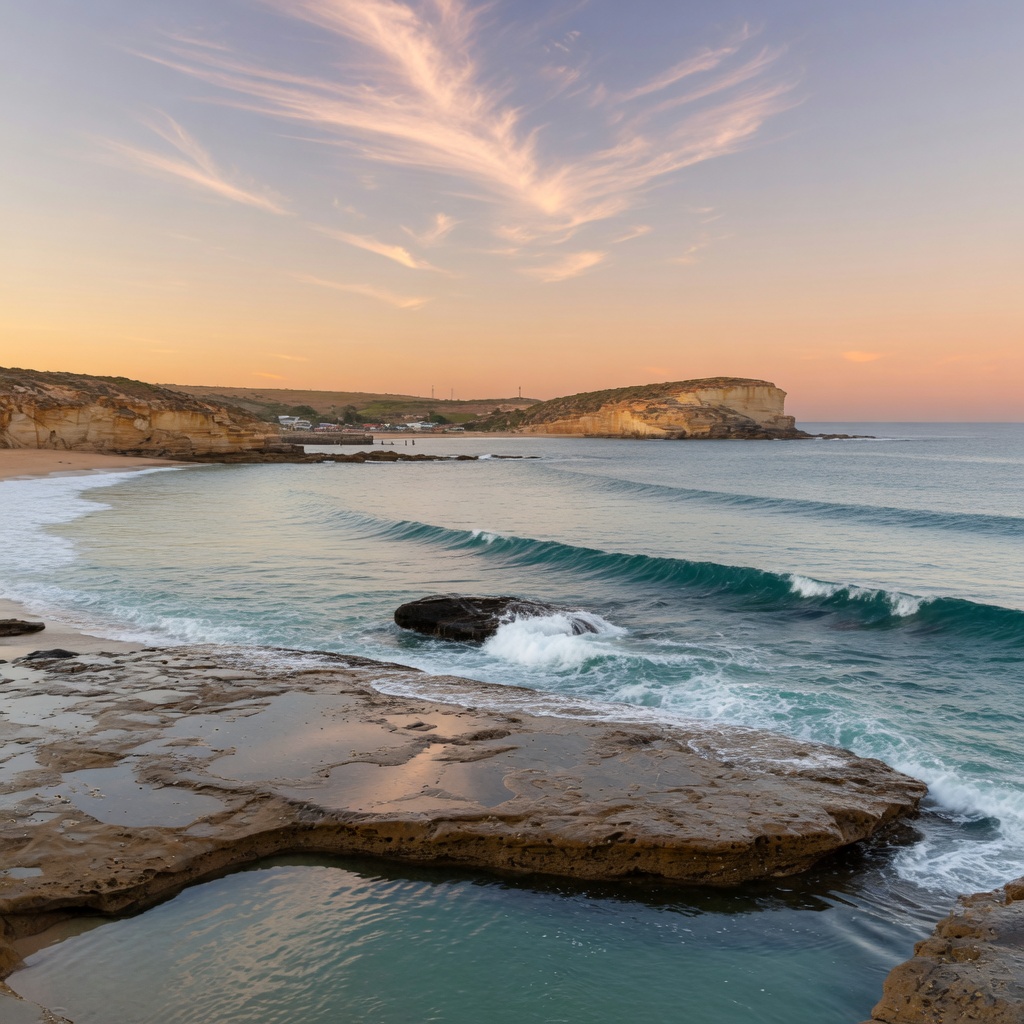
Why the Forecast Comes Before the Tackle Box
Every good session starts with a forecast, not a rig. The marine forecast tells you whether the water will be fishable, where you can safely stand or launch, and often which species are worth chasing. Around Sydney the difference between a comfortable morning on the harbour and a dangerous swell on the ocean rocks can be a single number on a forecast page. At Australian Fish Species we treat forecast literacy as a core fishing skill, alongside knots and casting.
Australian coastal forecasts are issued for named marine zones rather than exact beaches, so treat them as a general picture that local terrain will modify. A headland funnels wind, a bommie amplifies swell, and a shallow bar turns a moderate sea into breaking water. Always check the forecast the night before, again on the morning, and once more if conditions look different to what you expected when you arrive.
Wind: Strength, Direction and Timing
Wind is usually the first limiting factor. Speeds in Australian marine forecasts are given in knots, and a useful rule of thumb for small-boat estuary work is that under 10 knots is pleasant, 10 to 15 knots is workable with shelter, 15 to 20 knots restricts you to protected bays, and above 20 knots most open water becomes hard fishing.
- Direction matters as much as speed. A 15 knot westerly off the land leaves a smooth inshore strip; the same speed from the east or north-east piles chop and dirty water against the coast.
- Look for the change, not just the average. Forecasts often read "north-east 10 to 15 knots, tending south 20 to 25 knots in the afternoon." That southerly change is your cue to be off the water early.
- Wind against tide stacks up short, steep waves. A strong flood tide pushing into an outgoing breeze makes an estuary mouth far rougher than either factor alone.
- Light mornings, building afternoons are the common summer pattern along the east coast as sea breezes kick in. Plan the exposed work first.
Wind also drives fish behaviour. A steady onshore breeze stirs the wash and puts tailor, Australian salmon and bream on the move, while several days of hard onshore wind can dirty an estuary and shut the bite down until it settles.
Swell: Height, Period and Direction
Swell is long-travelled ocean energy, separate from the local wind chop. Three numbers matter.
- Height is the significant swell height in metres, roughly the average of the larger waves. Individual sets can be considerably bigger, so never treat the number as a maximum.
- Period is the seconds between crests. A 1.5 m swell at 7 seconds is soft and choppy; the same 1.5 m at 14 seconds carries far more energy, surges further up rock platforms and breaks over shallow reef and bars.
- Direction decides which coastline is exposed. A south-east swell wraps into south-facing bays and beaches that a north-east swell barely touches.
For rock fishing, long-period swell is the hazard that catches people out on apparently calm days. Watch a spot for at least fifteen minutes before committing, know your escape route, wear a life jacket and cleated boots, and never fish alone. Swell forecasts should be read together with tide height, because a high tide on top of a long-period swell can wash platforms that are dry two hours later.
Sea State: What You Actually Feel in the Boat
Sea state combines the local wind waves with the underlying swell, and it is the best single guide to comfort. Terms such as smooth, slight, moderate and rough describe wave height ranges; a "moderate sea with 2 m south-east swell" means a lumpy day offshore even if the wind reads only 12 knots. Consider your boat, your crew and the return trip, which is often into a freshening breeze.
Bar crossings deserve their own assessment. Check the swell period and direction against the bar's orientation, aim to cross on a rising or high tide rather than an outgoing tide against a swell, and if it looks marginal, fish inside. No fish is worth a rolled boat.
Fitting Tides into the Forecast
Once conditions are safe, tides tell you when to fish. Moving water concentrates bait and triggers feeding, so plan around tide change times rather than clock times. Flathead and bream often fire on a run-out tide draining flats and drains; whiting work the flooding shallows; mulloway favour the hours around a tide change, particularly on larger tides near the new and full moon.
Combine the two layers: a light offshore breeze, small long-interval swell and a top of the tide at first light is close to ideal on the ocean rocks. A dirty east swell with a midday low tide is a day for the upper estuary. For a deeper look at how these windows work, see our guide to fish behaviour, tides and bite prediction.
A Simple Pre-Trip Routine
- Read the coastal waters forecast for your zone, plus any wind, hazardous surf or severe weather warnings.
- Note swell height, period and direction, and match them to the aspect of your chosen spot.
- Check tide times and heights, and mark your fishing window either side of the change.
- Tell someone your plan and expected return time, and carry a charged phone or radio.
- Have a sheltered backup location chosen before you leave the driveway.
Forecasts are probabilities, not promises. Conditions can build faster than predicted, so the final decision is always made with your own eyes at the water's edge. Questions about local conditions or content suggestions can be sent to [email protected] or +61295585271 during Mon–Fri: 09:00 – 17:00 (AEST). Remember that bag limits, size limits and closures vary by state and change over time, so verify current rules with the relevant state or territory fisheries authority before you fish.

Navigation
See also
FAQ