Rod and Reel Combos for Estuary, Beach and Offshore Fishing
Why Combo Balance Matters More Than Brand
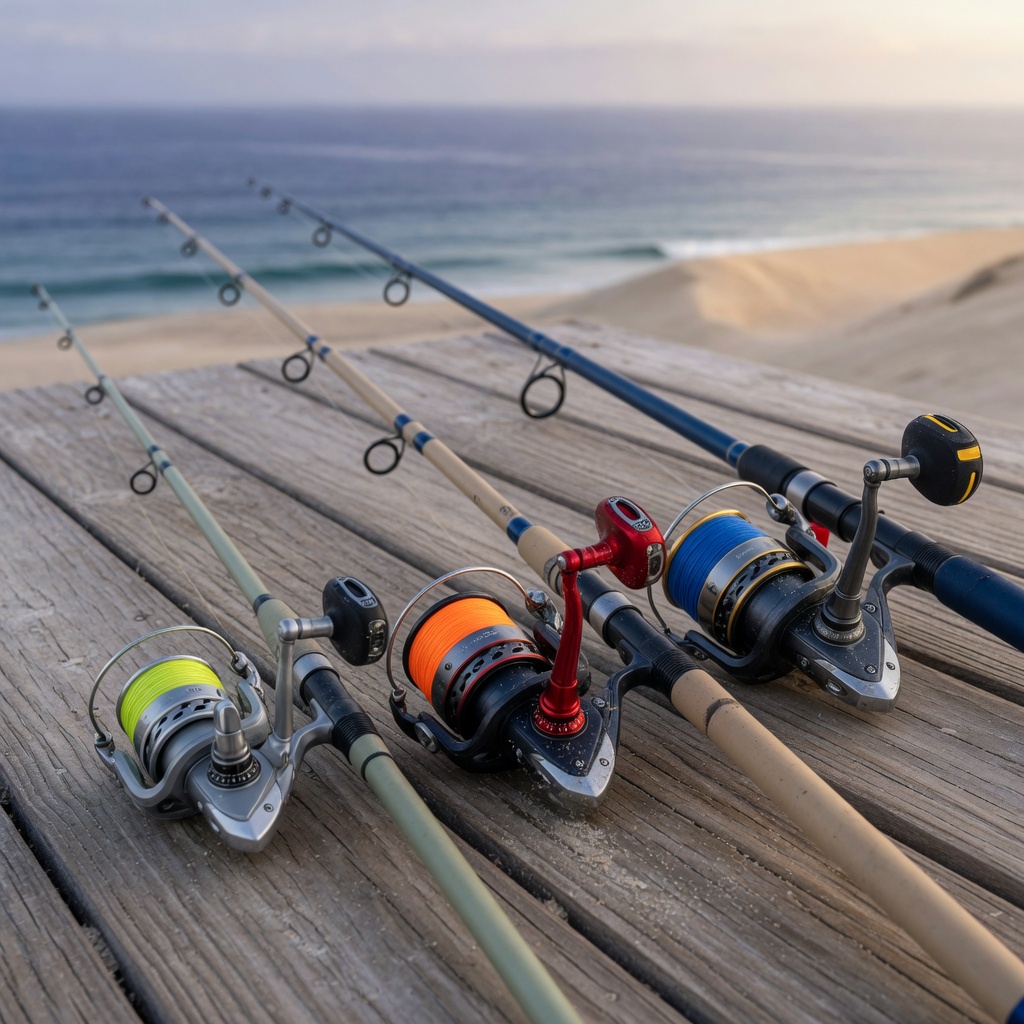
A rod and reel combo is a system, not two separate purchases. The rod dictates how far you can cast a given weight and how much shock the line absorbs; the reel dictates line capacity, drag range and retrieve speed. When the two are mismatched — a heavy 6000 size reel on a light bream rod, or a small 2500 on a beach rod — the combo feels tip-heavy or butt-heavy, you lose casting distance, and you fatigue quickly on a long session. Balance the combo by holding it at the reel seat: the rod should sit close to horizontal with the reel loaded with line.
Across Sydney and the broader Australian coast, most anglers can cover the majority of their fishing with three combos: a light estuary spin outfit, a longer surf or rock outfit, and a heavier boat outfit for reef and offshore work. Below are practical specifications rather than model names, so you can apply them at any tackle shop.
Light Estuary and Inshore Combos
Estuary fishing for bream, flathead, whiting and Australian bass rewards finesse. A typical outfit is a 2.1 to 2.3 m graphite spin rod rated 1–3 kg or 2–4 kg, matched to a 1000 to 2500 size spinning reel. Load 4–8 lb braid with a 6–12 lb fluorocarbon leader of roughly a rod length. This combo casts 1/16 to 1/4 oz jig heads, small hardbodies, soft plastics and unweighted baits into snags, oyster racks and weed edges.
- Flathead on the drift: a 2–4 kg rod with a fast taper helps set hooks on 3–4 inch plastics.
- Bream around structure: step up to 10–12 lb leader and lock the drag a little tighter to turn fish away from pylons.
- Mangrove jack and small mulloway: move to a 3–6 kg rod and 3000 reel with 15–30 lb leader.
If you are new to the water type, start with our broader guidance on estuary and inshore fishing and match the combo to the species and structure you expect to encounter.
Beach and Rock Combos
Surf and rock fishing demands distance, line control over white water, and enough backbone to lift fish. A general beach outfit is a 3.0 to 3.9 m rod rated 4–8 kg with a 4000 to 6000 spinning reel, running 15–20 lb braid or 6–10 kg monofilament. Longer rods keep line above the wash; mono adds stretch, which protects hooks and knots when a wave loads the line suddenly.
- Tailor and Australian salmon: 3.3 m rod, 5000 reel, 20 lb braid, metal lures of 20–65 g.
- Whiting and bream off the beach: lighter 2.7–3.0 m rod, 3000–4000 reel, small paternoster or running sinker rigs.
- Mulloway at night: 3.6–3.9 m rod, 6000 reel, 30 lb braid and 40–60 lb leader for large baits.
Rock fishing adds real risk. Choose a combo you can carry with one hand while keeping the other free, and never let tackle choices override safety decisions about swell, wave sets and escape routes. Check the marine forecast, wear a lifejacket and appropriate footwear, and fish with a mate.
Offshore, Reef and Game Combos
Offshore work splits into bottom fishing, casting and trolling. For snapper, coral trout and general reef fishing in 20–60 m, a 2.0 to 2.1 m rod rated 8–15 kg with a 5000–8000 spin reel or a small overhead loaded with 30–50 lb braid covers most work. For kingfish around headlands and reefs, use a shorter, stiffer rod and a high-drag reel — kingfish will run straight for structure. Spanish mackerel trolling and tuna spinning need reels with smooth, sealed drags and 300 m or more of line capacity.
- Set drag with a scale: around one quarter to one third of line breaking strain at strike position.
- Match hook size to rod power: heavy gauge hooks need a rod that can drive them home.
- Use a gimbal belt or harness for stand-up game fishing to save your back and hips.
When releasing deep-caught reef fish, keep a release weight or venting tool in the kit to manage barotrauma, and plan the release before the fish comes over the gunwale.
Line, Leader and Knots
Braid gives sensitivity and thin diameter for distance; monofilament gives stretch and abrasion tolerance in the wash. A simple rule: braid for lure fishing and deep water, mono for surf bait fishing and beginners. Join braid to leader with an FG or slim beauty knot for casting outfits; keep the knot small enough to pass through the guides cleanly. Replace leader after every serious fish or contact with structure, and re-spool braid or reverse it when the top 30–50 m looks fuzzy.
Care, Storage and Buying Order
Salt is the enemy. Rinse combos with a light freshwater spray — never a high pressure hose into the reel body — dry them out of direct sun, back the drag off to zero for storage, and check guide inserts for cracks with a cotton bud. Service reels annually if you fish salt regularly.
If budget is limited, spend proportionally more on the reel for offshore work (drag and sealing matter most) and more on the rod for estuary finesse (sensitivity and taper matter most). Buy one combo that suits the water you fish most often, learn it thoroughly, then expand.
Questions About Gear Selection
Australian Fish Species publishes gear guidance alongside species, habitat and seasonal content for Sydney and every Australian state. Bag limits, size limits and gear restrictions vary by state and change over time, so always verify current rules with the relevant state or territory fisheries authority before you fish. For content questions, contact us at [email protected] or +61295585271 during Mon–Fri: 09:00 – 17:00 (AEST).

Navigation
See also
FAQ