South Australia: King George Whiting and Southern Bluefin Tuna
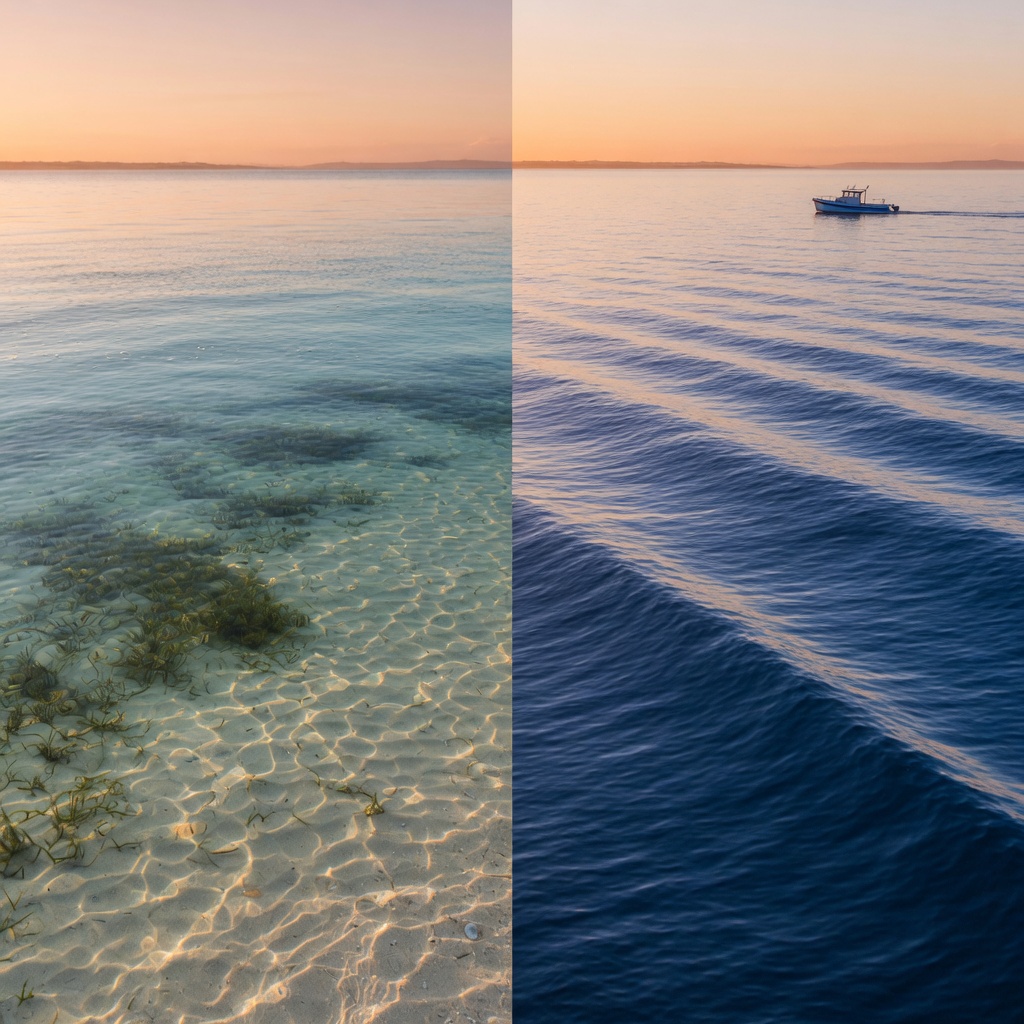
Two South Australian Icons, One Coastline
South Australia offers a rare contrast: sheltered gulf sand flats holding the country's most prized table fish, and a shelf edge where southern bluefin tuna push through in numbers. King George whiting and southern bluefin sit at opposite ends of the tackle spectrum, yet both reward anglers who read structure, tide and water temperature carefully. This guide from Australian Fish Species focuses on identification and practical technique, so readers travelling from Sydney or anywhere else can plan a trip with realistic expectations.
King George Whiting: Identification and Biology
King George whiting (Sillaginodes punctatus) is the largest of the Australian whitings, commonly 30–45 cm in the gulfs with better fish beyond that. Look for a slender, tapered body, a small protrusible mouth suited to sucking worms and small crustaceans from sand, and a pale sandy to olive back marked with rows of reddish-brown to golden spots. Those spots are the key separator from sand or trumpeter whiting, which are plainer and generally smaller.
Juveniles use shallow seagrass and weed-edge nurseries, then move progressively deeper as they mature, with larger fish often found on broken ground, reef edges and rubble in 10–25 m. They are slow growing, which is exactly why size limits and bag limits matter. For a broader comparison across whiting species, see our fish species profiles and identification section.
Where and When to Fish
- Habitat: sand patches ringed by seagrass, weed edges, rubble bottom and reef margins in the gulfs and along the west coast.
- Season: productive year round in the gulfs, with autumn often the standout as fish feed hard and average sizes lift.
- Tide: the first of the run-in over shallow flats, or the last of the ebb draining a weed edge, tends to concentrate feeding.
- Light: low light and overcast conditions help in clear shallow water; deeper ground fishes well through the middle of the day.
Rigs, Baits and Presentation
Keep it light and simple. A running sinker or paternoster rig with long shank hooks in size 4 to 1/0 suits their small mouth. Use only enough lead to hold bottom, and long leaders of 3–6 kg fluorocarbon in clear water. Best baits are live or fresh: pipis, cockles, squid strips, blue sausage worm, and small pieces of pilchard. Cut baits neatly so the hook point sits proud, and refresh often, as whiting reject stale offerings.
Anchor up-current of the patch and let a light berley trail of crushed cockle and sand draw fish along the drift. If bites stop, move 30–50 m rather than waiting; whiting schools shift with the tide.
Southern Bluefin Tuna: Identification and Behaviour
Southern bluefin tuna (Thunnus maccoyii) are deep-bodied, torpedo-shaped fish with a metallic blue-black back, silver flanks and short pectoral fins that do not reach past the second dorsal. The finlets along the tail are yellow with dark edges, and the caudal keel is dark. Fish encountered in South Australian waters range from schoolies of 10–20 kg to genuine barrels well over 100 kg.
They are warm-blooded, fast-swimming pelagics that follow bait and temperature breaks. Look for current lines, temperature changes, working birds, bait showers and floating weed. Autumn and winter are the classic windows, with fish moving along the shelf and, in some years, well inside it.
Trolling and Casting Approaches
- Spread: skirted lures and deep divers at 6–8 knots, staggered across the prop wash, shotgun long behind.
- Reading water: work temperature breaks, bait schools on sounder and any bird activity; repeat troll passes over productive ground.
- Casting: once a school is raised, stickbaits and metal slugs on 30–50 lb braid convert surface-feeding fish.
- Hooks and drag: strong single hooks, checked leaders and a smooth drag beat heavy tackle every time.
Safety, Handling and Conservation
Offshore tuna trips demand a current marine forecast, a float plan, working radio and lifejackets worn, not stowed. Southern Ocean swell builds quickly, and bar crossings on the west coast deserve real respect. In the gulfs, watch wind against tide over shallow flats and carry more fuel than you plan to burn.
Handle whiting quickly, dispatch and ice fish destined for the table, and release undersize fish with wet hands. For tuna, decide before the fight whether the fish is coming aboard; if releasing, keep the fish in the water, support it, and revive it with forward motion. Take only what you will eat.
Rules Change, So Check First
South Australian size limits, bag limits, boat limits and seasonal or spatial closures differ from other states and are reviewed over time. Southern bluefin tuna are also subject to specific national and state arrangements. Always verify current limits and closures with the relevant state or territory fisheries authority before you fish, and carry a copy of the rules on the boat.
Questions about a trip plan or a species identification? Contact Australian Fish Species on +61295585271 or at [email protected] during Mon–Fri: 09:00 – 17:00 (AEST).

Navigation
See also
FAQ