Spanish Mackerel Trolling Along the Queensland Coast
Knowing Your Fish Before You Set the Lines
Spanish mackerel (Scomberomorus commerson) are the headline pelagic of the Queensland coast: long, silver, torpedo-shaped fish with a series of wavy vertical bars along the flanks, a deeply forked tail and a mouth full of shearing triangular teeth. Juveniles show clearer, more broken barring, while big fish over 15 kg often look almost plain silver in the water. The key identification points that separate them from school mackerel and spotted mackerel are the wavy bars rather than round spots, the dipped lateral line behind the first dorsal, and the sheer size — Spaniards commonly reach well over a metre in Queensland waters. Confusing the species matters, because size and possession limits differ between mackerel species and change over time, so always confirm current rules with Queensland fisheries before you keep a fish. If you want a refresher on distinguishing similar pelagics, our fish species profiles and identification section works through the features side by side.
Where Spaniards Hold on the Queensland Coast
Spanish mackerel are structure-oriented pelagics. They patrol the edges of headlands, isolated bommies, shoals, wrecks, artificial reefs, channel entrances and the up-current corners of continental islands. Anywhere current pushes bait onto structure and creates a pressure edge, mackerel will sit downstream and pick off strays. Productive water is often 8 to 40 m deep with clean blue-green colour and a visible thermal or colour change nearby.
- Northern Queensland: shoals and ribbon reefs hold fish through the cooler, clearer months of autumn and winter.
- Central Queensland: island fringes, headlands and offshore shoals fire when bait schools stack up in winter and early spring.
- Southern Queensland: the run typically peaks late summer through autumn as warm currents push south, tapering as water cools.
The single most reliable indicator is bait. Find dense schools of yakkas, hardyheads, garfish or ribbonfish showing on the sounder, plus terns or gannets working the surface, and you are in the right postcode.
Trolling Methods That Work
Trolling Rigged Ribbonfish and Gar
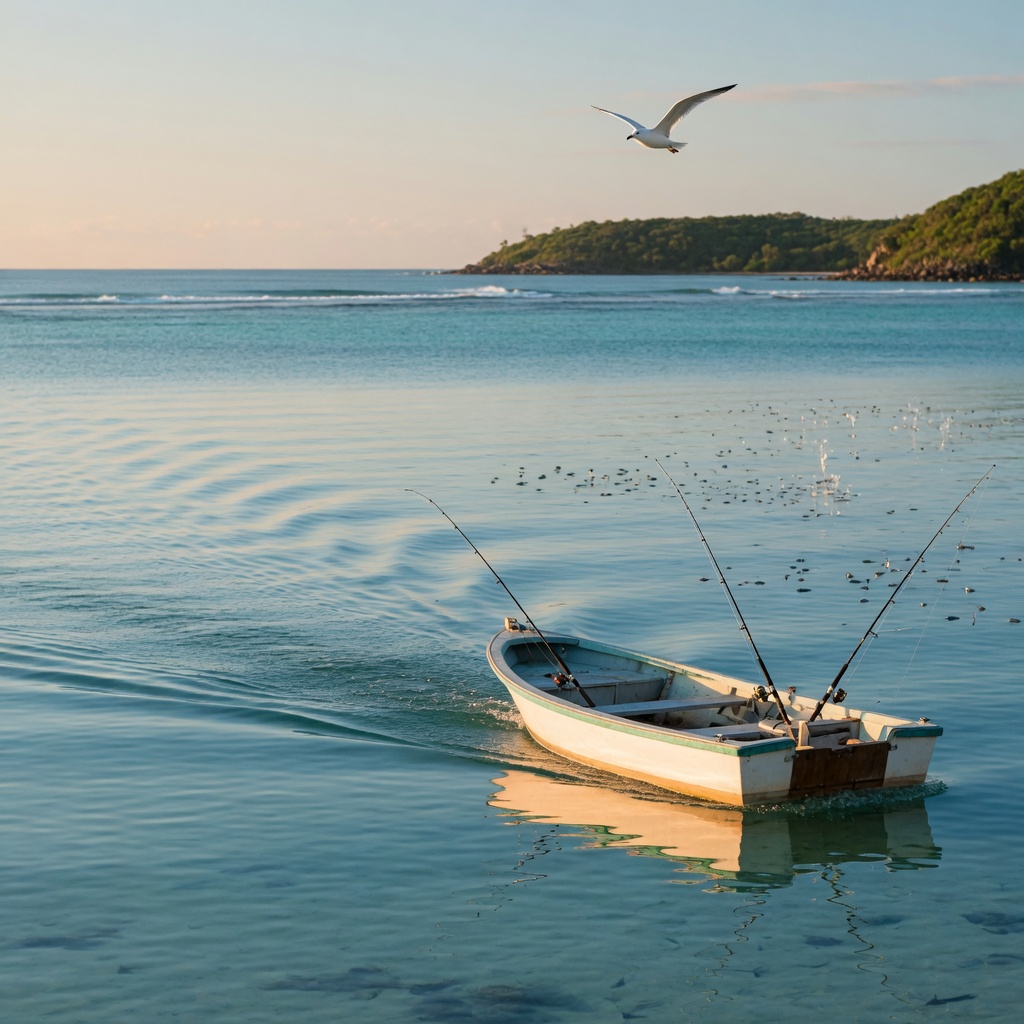
A swimming rigged bait remains the most convincing presentation for big Spaniards. Rig a whole ribbonfish or garfish on a two- or three-hook wire trace so it tracks straight without spinning, and troll it slowly at roughly 2 to 4 knots. Watch the bait behind the boat: if it rolls, adjust the pin or shorten the trace. Bring baits close to structure on the up-current side, then loop wide and repeat rather than driving over the school.
High-Speed Lure Trolling
When you need to cover ground, run deep-diving minnows in the 120 to 190 mm range at 5 to 7 knots, or push to 12 knots plus with skirted lures and bibless minnows to find scattered fish. Stagger lures at different distances and depths, and use one long line well back as your prospecting rod.
Float-Lining and Drifting
Once trolling locates a school, a drift with unweighted pilchards or slabs of bonito on light wire often turns extra fish. Keep berley minimal and steady, and stay clear of the anchored boats already working the same bommie.
Rigs, Wire and Tackle
- Rod and reel: 15 to 24 kg trolling outfits, or 8000 to 10000 size spin reels for casting and float-lining.
- Line: 15 to 24 kg braid or mono mainline with a heavy mono top shot to absorb sudden lunges.
- Trace: a short single-strand wire trace, typically 30 to 60 lb, keeps bite-offs down. Long traces spook fish in clear water, so keep them tidy and no longer than needed.
- Hooks: chemically sharpened singles for rigged baits; swap trebles on lures for stronger, sharper replacements and check points after every fish.
- Drag: set light for the first blistering run, then increase gradually. Spaniards often skyrocket on the bait, so let the fish load the rod before winding.
Timing: Tide, Moon and Weather
Feeding windows matter more than hours on the water. The best bites usually come on a running tide — particularly the first two hours of a flood pushing bait onto a shoal — combined with early morning or late afternoon light. New and full moon periods bring stronger tidal flow and often better fishing, though the days either side can be more comfortable to fish. A steady south-easterly settling to light winds after a blow will clean the water and switch fish on. Always check the marine forecast before departure, allow for the wind swinging against the tide over shallow shoals, and be conservative when crossing coastal bars.
Handling, Release and Eating Quality
Spanish mackerel bruise easily and their flesh deteriorates fast in tropical heat. Use a gaff for fish you intend to keep, bleed and ice them immediately in a slurry, and avoid gilling and gutting on deck in the sun. For released fish, keep them in the water alongside the boat, use long-nosed pliers or a de-hooker, and never put your hands near the mouth. Consider releasing very large breeding fish where practical and taking only what you will eat. Note that large predatory mackerel can carry higher mercury levels and that ciguatera risk applies to some tropical reef species, so follow current public health advice from Queensland authorities.
Practical Trip Checklist
- Check the marine forecast, tide times and moon phase the night before.
- Rig at least four wire traces and two rigged baits before you leave the ramp.
- Load ample ice — roughly twice what you think you need.
- Log the sounder marks where you found bait, not just where you hooked fish.
- Verify current size, possession and closure rules with the relevant state fisheries authority before keeping anything.
Trolling for Spaniards rewards patience and observation more than horsepower. Read the bait, respect the weather, and treat each fish properly. For more species guides and regional advice, browse Australian Fish Species or get in touch at [email protected] or +61295585271 during Mon–Fri: 09:00 – 17:00 (AEST) — our editorial team is based in Sydney.

Navigation
See also
FAQ