Trailer Boat Setup and Maintenance in Saltwater
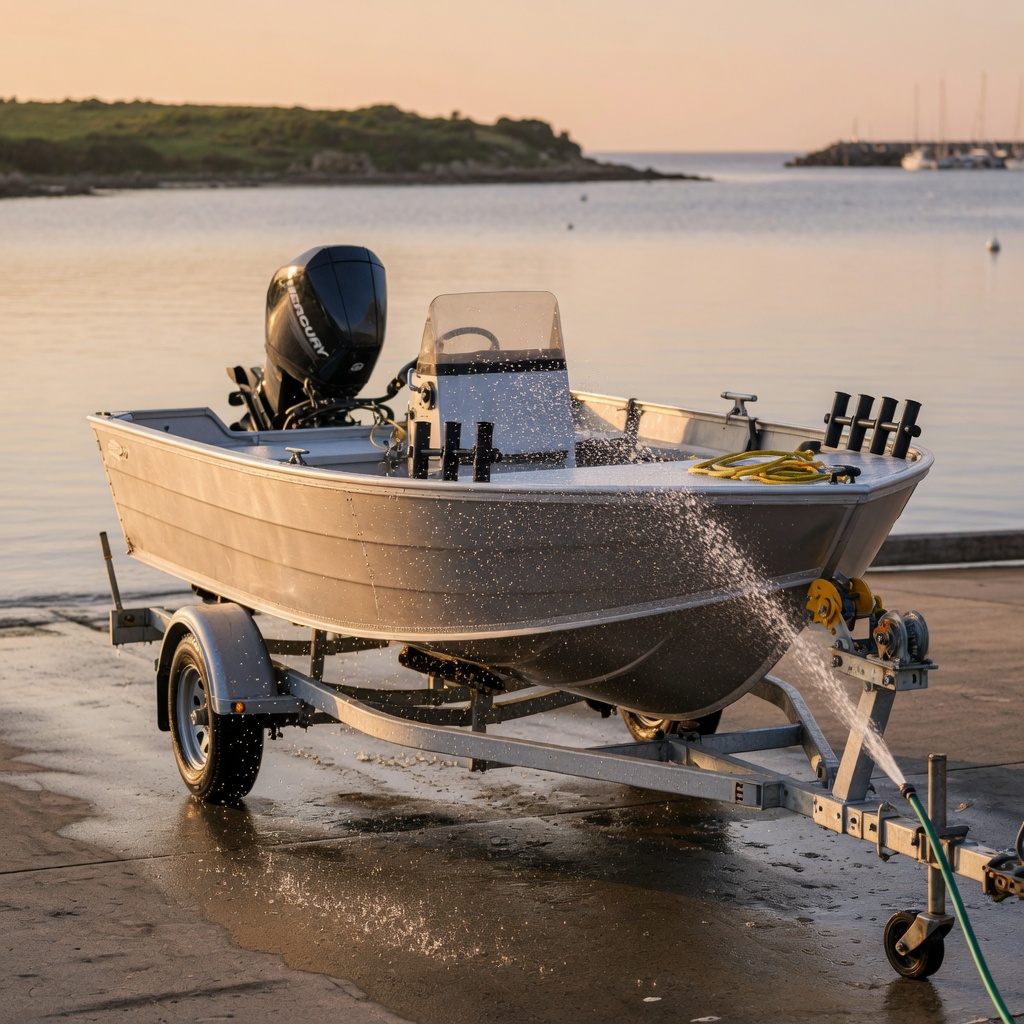
Why Saltwater Is Harder on Boats Than Freshwater
Salt water is corrosive, conductive and relentless. A trailer boat launched into Sydney Harbour, Botany Bay or off a Central Coast beach ramp collects salt in every crevice: trailer springs, wheel bearings, bilge corners, gunwale rod holders, electrical plugs and the transom clamp bolts. Fresh water boats can be neglected for a season and survive; a saltwater rig that is not rinsed and inspected will show seized bearings, weeping fuel fittings and chalky alloy inside a year. The good news is that almost all of it is preventable with a routine that takes fifteen minutes after each trip and a longer service every few months.
Treat your boat as fishing tackle rather than as transport. A reliable hull, motor and trailer are what let you chase a bite window on a run-out tide at dawn, or push offshore on the one calm morning in a fortnight. Missed trips are usually mechanical, not meteorological.
Setting Up the Trailer
The trailer does the hardest work and gets the least attention because it spends its life submerged at the ramp. Key points to get right:
- Bearings: use marine-grade grease and inspect seals regularly. Hot hubs after a highway run, or a rumbling noise, mean you pull them down before your next trip, not after.
- Rollers and skids: the hull should sit on its keel and be supported evenly. Uneven support flexes fibreglass and wears alloy plate where it bears.
- Lights and wiring: submersible LED units with sealed connectors, and a plug that lives out of the spray. Unplug before backing down the ramp where practical.
- Brakes: flush and check regularly; salt destroys drums, cables and calipers quickly.
- Winch and safety chain: replace frayed webbing and check the bow eye where it meets the hull for cracks.
After every launch, hose the trailer thoroughly, including inside the drawbar, springs, shackles and the underside of the guards. Corrosion-inhibiting spray on fittings pays for itself.
Motor Care and Flushing
Flush the outboard or sterndrive after every saltwater trip using the motor's flush point or muffs, and run it long enough for the thermostat to open. Check the tell-tale stream: weak flow means a blocked or worn impeller. Other habits worth building:
- Tilt the motor down while flushing so water drains fully afterwards.
- Inspect sacrificial anodes each month; replace when about half consumed. Never paint them.
- Grease the steering, tilt tube and propeller shaft on schedule, and check the prop for fishing line behind the hub, a common cause of seal failure.
- Drain and check the water-separating fuel filter, especially with ethanol-blended fuels and long storage.
- Wash the powerhead cowl area and spray a light corrosion inhibitor on the block and electrical connections.
Book impeller, gearbox oil and spark plug servicing at sensible intervals, and keep a simple logbook of hours. Reliability offshore is not a luxury.
Deck Layout for Fishing
How you rig the deck determines how many fish you land. Keep walkways clear, mount rod holders where a rod under load will not foul the outboard, and choose a rail or gunwale position that suits your main technique. Soft-plastic anglers casting for flathead and bream need clean casting decks fore and aft; livebaiting for kingfish needs a well-aerated tank plumbed off a dedicated pickup; trolling for mackerel or tuna needs rocket launchers and space to clear lines.
Other practical touches: a deck wash to remove blood and berley before it dries, a plumbed kill tank or good insulated bag with ice slurry to protect eating quality, a landing net and a knotless release net for undersize fish, and a release weight for barotrauma on deep-caught reef species. Store gaffs and knives where they cannot roll underfoot in a chop.
Electronics, Batteries and Wiring
Mount the sounder and GPS where spray and glare are minimised, and route cables away from bilge water. Use tinned marine cable, heat-shrink terminals and dielectric grease at connections. Keep a separate cranking battery from the house circuit if you run electric reels, live tanks or a heavy sounder, and check terminals for green fuzz every month. A transducer mounted in clean water flow will read structure and bait schools far better than an expensive unit fitted badly.
Safety Gear and Bar Crossings
Carry the safety equipment required for your operating area and check expiry dates on flares and the EPIRB registration details. Lifejackets should fit each person aboard and be worn when crossing a bar, fishing offshore alone or in rough conditions. Read the marine forecast, including swell period and wind direction against tide, and have a clear go or no-go rule before you leave the ramp. Bars break unpredictably on a run-out tide against swell; if in doubt, fish inside. Tell someone your plan and expected return, and log on with a local marine rescue service.
Match your trip plan to how fish actually behave. Understanding tide, moon and weather windows means fewer long runs for nothing, and safer decisions when conditions turn. For species-specific behaviour and rigs, start with our fish species profiles and identification guides.
Simple Maintenance Schedule
- Every trip: flush motor, hose hull and trailer, drain bilge, rinse tackle and reels, check bung is stowed with the keys.
- Monthly: anodes, battery terminals, grease points, trailer bearings and lights, safety gear inventory.
- Seasonally: impeller and gearbox oil as scheduled, fuel filter, hull polish or antifoul check, brake service, spare wheel condition.
- Annually: full service, steering and control cables, hull fittings and transom inspection for water ingress.
Rules for boat safety equipment, licensing and vessel registration differ by state and change over time, so verify current requirements with the relevant state or territory maritime and fisheries authority before you launch. Australian Fish Species covers boating and fishing from a Sydney perspective and welcomes questions at [email protected] or +61295585271 during Mon–Fri: 09:00 – 17:00 (AEST).

Navigation
See also
FAQ