Trolling, Drifting or Anchoring: Choosing Your Approach
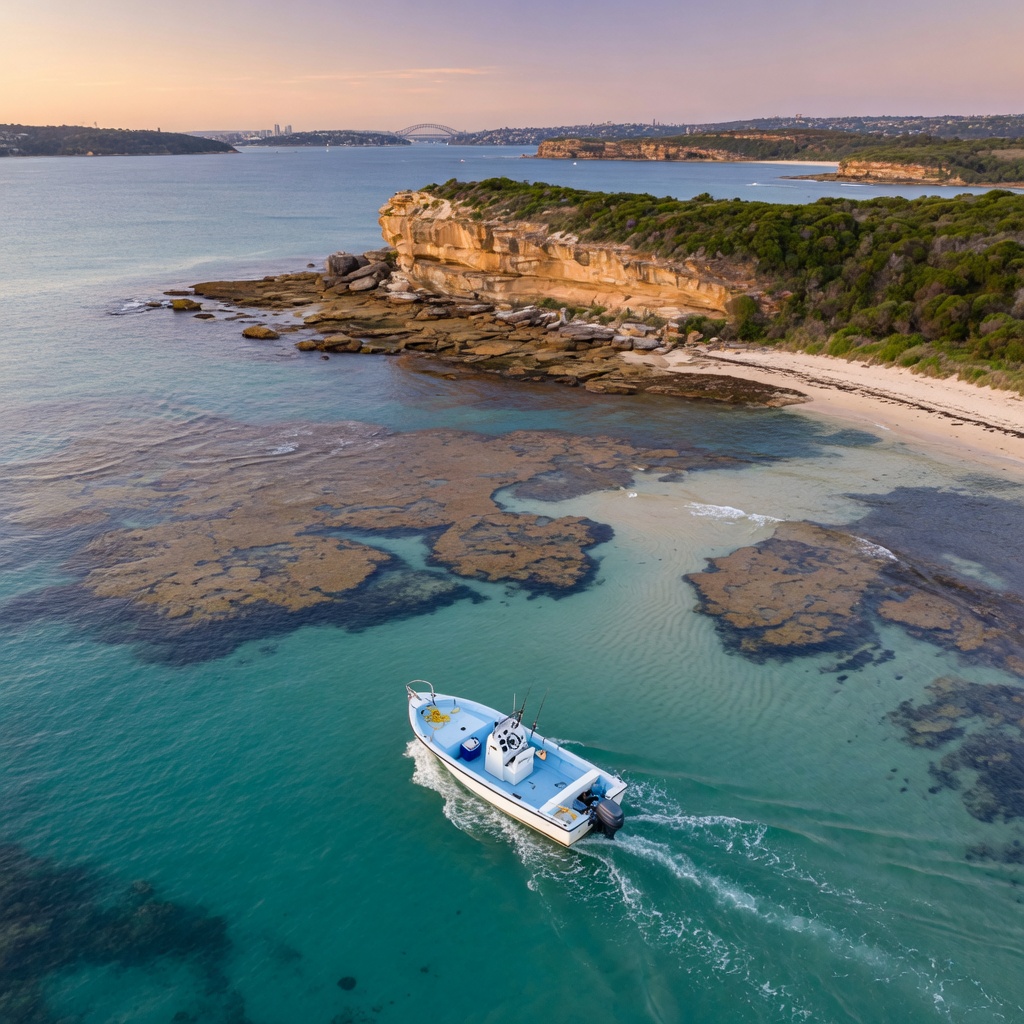
Three Ways to Present a Bait or Lure
Most days on the water come down to one decision made early: do you cover ground, do you let the water move you, or do you hold still and let the fish come to you? Trolling, drifting and anchoring are not competing philosophies. They are three tools, and the right choice depends on what species you are chasing, how it feeds, and what the tide and wind are doing on the day. Around Sydney you can use all three inside a single session, moving from a trolled run along a headland to a drift over reef, then anchoring on a sand-and-weed edge as the tide slows.
Before you choose, be clear about your target. A pelagic hunter that chases fast-moving prey rewards a lure dragged at speed. A bottom-dweller sitting hard against structure rewards a bait held in the strike zone. Matching method to feeding style matters more than gear brand, and it starts with understanding the fish itself. Our species profiles and identification guides set out the biology and habits that make one approach work better than another.
When Trolling Earns Its Keep
Trolling is a search tool. You use it when fish are scattered, when you do not yet know where the school is holding, or when the species you want feeds by chasing. Spanish mackerel, tailor, Australian salmon, kingfish and school tuna all respond to a lure or swimming bait moving through their water column. Trolling also works beautifully in freshwater, along timbered banks and rocky points for Murray cod and golden perch, and along drop-offs in trout impoundments.
- Speed by species: slow rolls of 2 to 4 knots suit cod, bass and trout; 5 to 8 knots suits mackerel and tuna on skirts and minnows.
- Depth control: use diving minnows, paravanes or trolling sinkers, and pay out enough line to get the lure working properly.
- Read the run: troll along the current edge, the bait line, the weed edge or the contour of a reef rather than across open, featureless water.
- Mark the strike: when you get a hit, note the spot and re-run it from a slightly different angle before you move on.
Drifting: Letting the Water Do the Work
Drifting is the middle path. You cover ground more slowly than trolling but present baits and lures naturally, without engine noise sitting over the fish. It shines over broken reef, gravel patches, sand holes and estuary flats where the fish are spread along a broad zone rather than parked in one spot.
Snapper over inshore reef, flathead across sand and weed banks, and mulloway along deeper estuary channels are all classic drift targets. In an estuary, plan your drift so the run of tide carries you down a channel edge with soft plastics or baits working just ahead of the boat. Offshore, use a drogue or sea anchor to slow the drift when wind and current fight each other, and adjust sinker weight so your bait stays near the bottom without dragging and snagging constantly.
- Start the drift up-current of the structure, not on top of it.
- Use the lightest sinker that still holds contact with the bottom.
- Repeat productive drift lines instead of exploring new ground once you find fish.
- Watch the sounder for changes in bottom type; most bites come within a few metres of an edge.
Anchoring: Holding the Strike Zone
Anchoring is the precision option. You use it when fish are concentrated on a small feature, when you want a berley trail to build over time, or when you need to present a bait absolutely still. Bream around bridge pylons and rock walls, snapper on a small pinnacle at dusk, mulloway on a deep hole through the top of the tide, and reef species such as coral trout hard against bommies all reward the boat that stops moving.
Anchor up-current so your baits and berley drift back into the strike zone. Allow enough rope for the depth and conditions, set the anchor properly, and check your position against a landmark or plotter mark before you fish. A berley trail of small, sinking pieces works far better than large handfuls that simply feed the fish or draw pickers straight to the boat.
Reading Tide, Wind and Moon
Tide direction and strength usually decide the method. A hard run of tide often makes anchoring uncomfortable and drifting too fast, so troll or wait. The slack either side of a tide change is prime anchoring time in estuaries and on close reef. Wind against tide makes drifts short and messy; wind with tide can push you across ground too quickly for baits to sink. Around the new and full moon, stronger tides tend to compress feeding windows into shorter, more intense periods, so plan your method around the hours you expect to matter most.
A Simple Decision Sequence
- Name the target species and how it feeds: chaser, ambusher or structure-hugger.
- Check the tide and forecast before you leave the ramp, and set a firm turn-around time.
- Search first: troll or drift to locate fish and bait.
- Commit second: once you find a concentration, anchor or repeat a tight drift line.
- Review: log the spot, stage of tide, depth and method so the pattern is repeatable.
Safety and Fish Care Come First
Method choice has real safety consequences. Trolling near washes and headlands puts you close to breaking water, so keep a lookout dedicated to swell and never turn your back on the sea. Anchoring in a running tide demands a knife or quick-release at hand and an anchor set you can trust. Bar crossings should only be attempted with a current marine forecast, and everyone aboard in a lifejacket. Check the forecast, tell someone your plan and carry appropriate safety gear every trip.
Handle fish quickly and wet-handed if you intend to release them, and be aware that fish brought up from deeper water can suffer barotrauma and may need venting or a release weight to return safely. Bag limits, size limits and seasonal closures differ between states and change over time, so always verify the current rules with the relevant state or territory fisheries authority before you keep a fish.
For further guidance on matching method to species, browse the guides at Australian Fish Species or get in touch at [email protected] or +61295585271 during Mon–Fri: 09:00 – 17:00 (AEST).
Navigation
See also
FAQ