Western Australia: Exmouth, Shark Bay and the South West
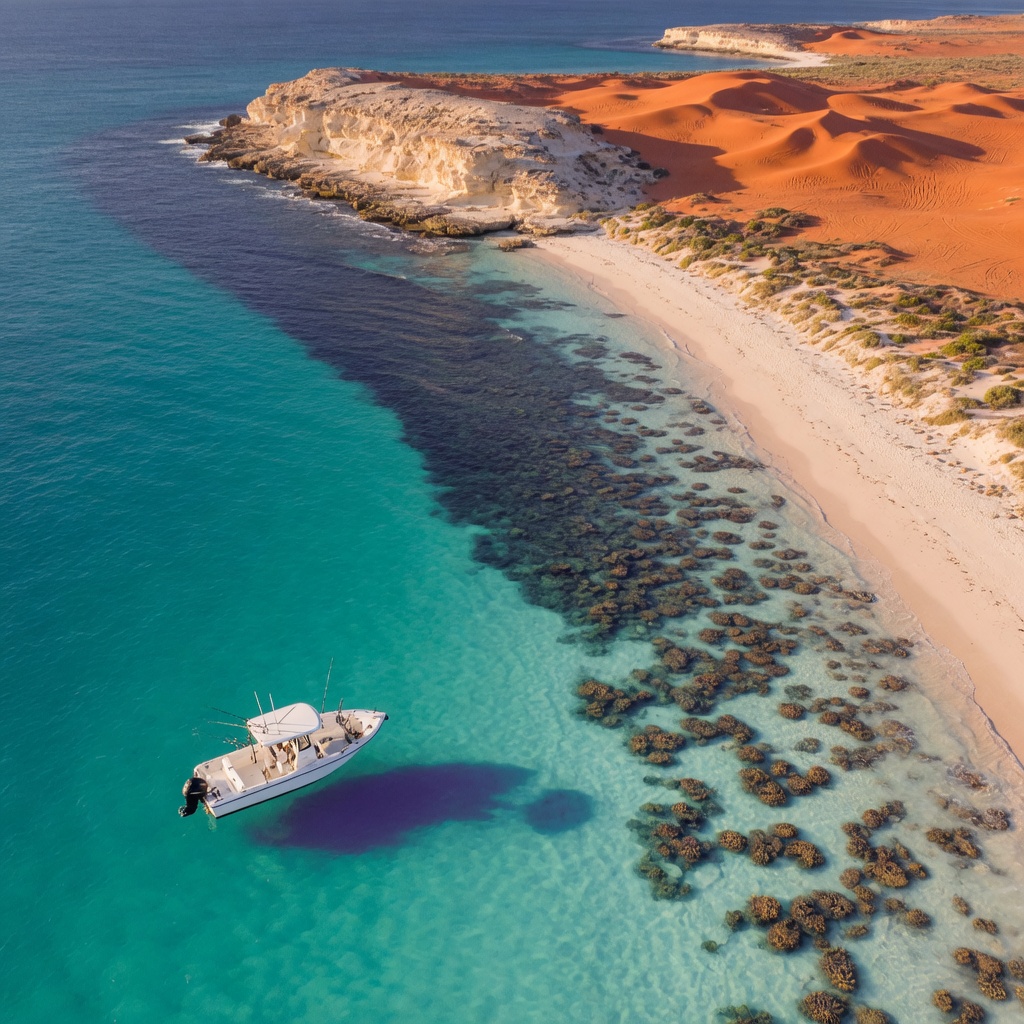
Why Western Australia Rewards Species Knowledge
Western Australia spans roughly 20 degrees of latitude, so a single state covers tropical reef country, arid gulf systems and cool temperate coastline. That means the fish you identify at the cleaning table in Exmouth will be almost unrecognisable from what turns up in a Margaret River rock gutter. For anglers travelling from Sydney or interstate, the fastest way to fish WA well is to learn the local species mix first, then match tackle and timing to it. If you are unsure what you have landed, work through the markings, fin counts and mouth shape in our fish species profiles and identification notes before you decide whether it is a keeper.
Exmouth and the Ningaloo Coast
Exmouth sits where the continental shelf swings close to shore, so deep blue water is reachable in a short run on the western side. Inside Exmouth Gulf you find shallow sand, mangrove edges and creek mouths; outside, Ningaloo Reef drops away into game fishing territory.
- Reef species: coral trout, spangled emperor, red emperor and various cods hold on bommies and lumps. Heavy leader and immediate lift off the bottom is the difference between landing a fish and donating a rig.
- Pelagics: Spanish mackerel through the cooler months, plus mahi mahi, wahoo and yellowfin tuna out wide. Trolled skirts and high-speed spinning both produce.
- Game fishing: sailfish and marlin move along the shelf edge, generally best from spring through autumn depending on current and bait.
- Flats and gulf: permit, queenfish, golden trevally and bonefish on the sand flats, ideally on a rising tide over warm water.
Wind is the controlling factor. Strong afternoon south-easterlies are normal in summer, so plan offshore trips for early starts and check the marine forecast the night before and again at dawn.
Shark Bay and the Gascoyne
Shark Bay is a vast, shallow, hypersaline embayment with extensive seagrass. It behaves more like a giant estuary than open coast, which changes both the species list and the approach.
- Pink snapper: the signature fish of the inner gulfs. Note that inner-gulf snapper stocks are managed separately from ocean stocks, with their own rules and seasonal arrangements.
- Whiting and flathead: reliable light-tackle targets on sand banks and drop-offs, with small baits or tiny soft plastics worked slowly.
- Mulloway: found around deeper channels and beach gutters, best worked around tide changes and low light.
- Tailor and Australian salmon: both run the exposed western beaches, with salmon schooling in autumn as water cools.
The South West: Cool Water, Different Rules of Thumb
From Perth south to Albany and east toward Esperance, the water cools and temperate species dominate. Rock ledges, reef-edged beaches and river estuaries such as the Swan, Blackwood and Wilson Inlet carry bream, black bream, herring, King George whiting, skippy and squid. Offshore, dhufish, breaksea cod and West Australian pink snapper hold on limestone reef, while southern bluefin tuna and samsonfish reward longer runs.
Practical Tackle Notes
- Estuary bream: 2–4 kg leader, lightly weighted baits or small hardbodies worked along snags and rock walls.
- Beach salmon and tailor: 10–12 ft rods, 20–40 g metals, or ganged pilchards fished in the gutter behind the first bank.
- Reef demersals: paternoster rigs with 40–60 lb leader, or heavy jigs where current allows.
Timing: Tide, Moon and Weather
Tidal range varies enormously across WA. The north-west sees large tides that drive strong flow and clear feeding windows; the South West has modest tides, so wind, swell and barometric change matter more. Useful defaults:
- Fish the first and last two hours of light wherever possible.
- In the tropics, favour the hour either side of a tide change on creek mouths and flats.
- In the South West, a dropping swell after a front often triggers strong beach and rock sessions.
- Around new and full moon, night sessions for mulloway and squid tend to improve.
Safety on Remote Coast
Much of WA's coastline is remote, with long distances between fuel, water and phone coverage. Carry more water than you think you need, log a trip plan with someone onshore, and treat rock ledges with respect: never fish alone, wear a lifejacket and cleated boots, and watch a spot for at least fifteen minutes before committing. Bar crossings at southern river mouths demand patience and a proper look from the shore first.
Rules, Limits and Conservation
Western Australia divides the coast into bioregions, each with its own bag and size limits, and some fisheries have seasonal closures. Inner Shark Bay snapper, demersal reef species in the West Coast bioregion, and freshwater fisheries all carry specific conditions that change over time. Always verify current bag limits, size limits, closures and licence requirements with the relevant Western Australian fisheries authority before you fish.
Because many WA reef species are long-lived and slow to replace, release practice matters. Use a release weight or venting tool for barotrauma-affected demersals, keep fish in the water where possible, and limit what you take to what you will genuinely eat. For help distinguishing similar-looking species before you make that decision, see our species identification guides.
Questions about a species, a region or a rig? Contact Australian Fish Species at [email protected] or +61295585271 during Mon–Fri: 09:00 – 17:00 (AEST).

Navigation
See also
FAQ